 Security· · 2 min
Breach Alert: Grafana and Tycoon2FA.
Today's cybersecurity news serves up a mix of alarming breaches and critical vulnerabilities. From NGINX exploits to a resurgence of phishing tactics, it's a reminder to stay vigilant. Plus, the ethical implications of AI in historical contexts are raising eyebrows.
Breach Alert: Grafana and Tycoon2FA

Grafana's GitHub token breach is a serious wake-up call, leading to a codebase download and extortion attempts. Meanwhile, Tycoon2FA's device-code phishing is hijacking Microsoft 365 accounts at an alarming rate, showing that even disrupted operations can bounce back stronger.
These incidents highlight the need for robust security measures and awareness. Organizations must prioritize training and proactive strategies to prevent falling victim to such attacks.
Critical Vulnerabilities: NGINX and Windows Zero-Day

The exploitation of the critical NGINX vulnerability (CVE-2026-42945) is causing worker crashes and could lead to RCE. This bug has been around for 16 years and was just patched — better late than never, right?
On the Windows side, the 'MiniPlasma' zero-day exploit has been released, granting SYSTEM access. This raises serious questions about patch efficacy and how vulnerabilities slip through the cracks.
Security Showdown: Pwn2Own Results

Pwn2Own Berlin 2026 wrapped up with a staggering $1.3 million awarded for 47 unique 0-day vulnerabilities. DEVCORE took home the title of Master of Pwn, showcasing some serious skills over the competition.
This event underscores the importance of ethical hacking and the need for continuous security improvements in software. The stakes are high, and the vulnerabilities are real.
AI Ethics: Distorting History
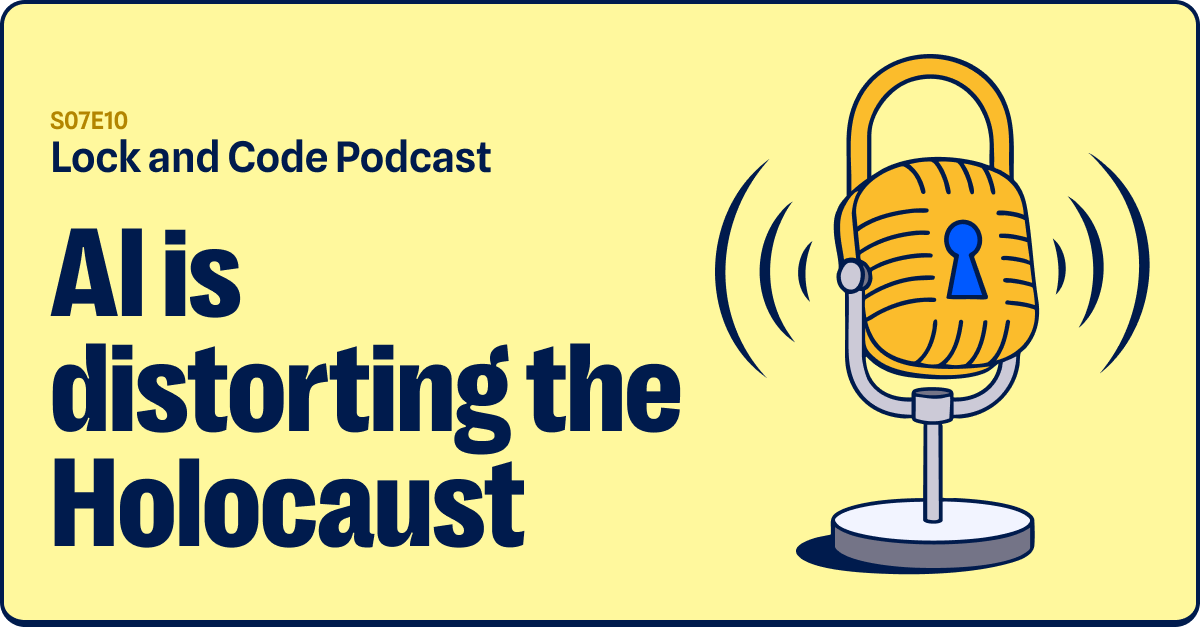
A troubling podcast highlights how AI-generated images are distorting Holocaust history. The Auschwitz Museum raised alarms over fake images that misrepresent real victims, creating a dangerous narrative.
As AI continues to evolve, we must be vigilant about its impact on historical accuracy. The balance between innovation and ethical responsibility is crucial.
Increase in device code phishing attacks this year, indicating a rising trend in sophisticated phishing tactics.
SourceGrafana GitHub Token Breach Led to Codebase Download
Grafana's GitHub token was compromised, leading to codebase downloads and extortion attempts. This incident highlights vulnerabilities in code management practices.
NGINX CVE-2026-42945 Exploited in the Wild
The NGINX vulnerability is actively being exploited, causing significant issues. This serves as a reminder of the importance of timely patches.
AI is Distorting the Holocaust
A podcast discusses how generative AI is creating fake images of Holocaust victims, raising ethical concerns. The implications for historical accuracy are dire.
- New Windows 'MiniPlasma' Zero-Day ExploitA new zero-day exploit for Windows grants SYSTEM access, raising serious security concerns. — BleepingComputer
- Microsoft Rejects Azure Vulnerability ReportMicrosoft disputed a critical Azure vulnerability report, claiming no changes were made despite evidence suggesting otherwise. — BleepingComputer
- Kazuar Backdoor Turns into Modular P2P BotnetRussian hackers have evolved the Kazuar backdoor into a modular botnet, increasing its stealth and persistence. — BleepingComputer
- Funnel Builder Flaw Enables WooCommerce SkimmingA flaw in a funnel builder is actively exploited, leading to WooCommerce checkout skimming attacks. — The Hacker News
- PoC Code for Critical NGINX VulnerabilityProof-of-concept code for a critical NGINX vulnerability has been released, raising urgent security concerns. — SecurityWeek
Was this issue useful?
One click is enough — it shapes the next one.