 Open Source· · 2 min
IBM's Bold Move in Cybersecurity.
Today, the tech world is buzzing with open-source innovations and security concerns. Major players like IBM are stepping up to tackle vulnerabilities, while exciting new projects and collaborations emerge across ecosystems. It's a pivotal moment for developers, with implications for both security and usability.
IBM's Bold Move in Cybersecurity

IBM just dropped a $5 billion initiative to secure open-source software, a direct response to alarming vulnerabilities exposed by AI. Dubbed Project Lightwell, it aims to bolster defenses against sophisticated attacks on enterprise codebases. With over 20,000 engineers from IBM and Red Hat on board, it's a serious push to make open-source safer.
Vulnerabilities and Threats on the Rise
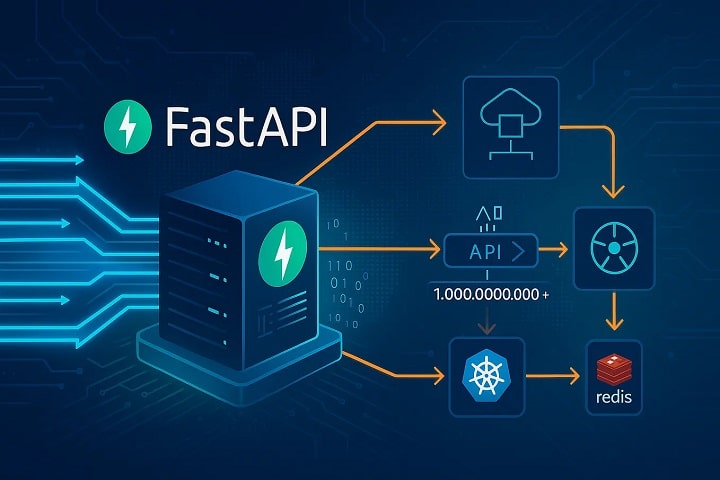
A critical flaw in the Starlette framework is putting over 400,000 GitHub projects at risk, allowing potential authentication bypass and remote code execution. Developers are urged to upgrade immediately to mitigate risks. Meanwhile, the Glassworm botnet has been dismantled after infecting 300 repositories, highlighting the ongoing threats in the open-source ecosystem.
Funding Innovations in Open Source

RevEng.AI recently secured $15 million in funding to enhance its binary security platform, focusing on verifying AI-generated software integrity. This move shows the growing importance of securing software supply chains, especially as AI becomes more prevalent. Such innovations are crucial as traditional security measures struggle to keep pace.
Community Initiatives and New Foundations

The OurSQL Foundation has launched to promote a vendor-neutral future for MySQL, fostering collaboration and transparency within the community. This initiative emphasizes shared governance and aims to unite various stakeholders in the MySQL ecosystem. It's a refreshing take on community-driven development in open source.
IBM Unveils Massive Open Source Cyber Defence Initiative After AI Warning
IBM has launched a $5 billion initiative, Project Lightwell, to secure open-source software against AI-driven threats. This move comes after alarming vulnerabilities were identified by advanced AI models.
Starlette Host Header Flaw Threatens 400,000+ Dependent GitHub Projects
A severe vulnerability in Starlette could expose numerous projects to serious security risks. Users are strongly advised to upgrade to the latest version to mitigate the threat.
GitHub, npm And Python Ecosystems Hit In Glassworm Open Source Campaign
CrowdStrike and Google have shut down the Glassworm botnet, which targeted open-source developers by poisoning GitHub repositories. This operation marks a significant shift in cyber threats.
- NATO Innovation Fund Backs RevEng.AI’s Binary Security PlatformRevEng.AI has raised $15 million for its platform that verifies the integrity of AI-generated software. — Open Source For You
- OurSQL Foundation Launches To Expand MySQL Community SupportThe OurSQL Foundation aims to create a vendor-neutral future for MySQL by promoting collaboration. — Open Source For You
- Installing Fedora Linux Across Two DisksA guide on installing Fedora Linux on a laptop using both an NVMe drive and a hard disk. — Fedora Magazine
- TeamCity 2026.1.1 Is Now AvailableJetBrains has released TeamCity 2026.1.1, addressing over 20 issues and improving performance. — JetBrains
- Visual Studio Code 1.123Visual Studio Code 1.123 introduces new chat features and integration improvements. — Microsoft
- How We Use AlphaEvolve to Make Complex IDE Algorithms FasterJetBrains explores how AlphaEvolve helps optimize IDE algorithms, focusing on indexing speed. — JetBrains
- Migrating from Apache Spark 3 to Spark 4A guide outlining key differences and migration advice between Apache Spark 3 and Spark 4. — Ubuntu
Was this issue useful?
One click is enough — it shapes the next one.