 Engineering· · 2 min
The Rise of Autonomous Agents.
Today in tech, we see a blend of innovation and caution. From security protocols to new autonomous agents, the landscape is evolving. Meanwhile, challenges like data reliability and AI spam raise eyebrows.
The Rise of Autonomous Agents

Dexter, a new open-source project, is making waves in financial research. This autonomous agent aims to enhance decision-making through AI, tapping into vast data sets for insights.
Meanwhile, Agent.BTZ’s legacy continues to shape cybersecurity. The infamous USB worm highlighted vulnerabilities in even the most secure systems. Lessons learned from these incidents are now crucial for safeguarding our digital lives.
New Learning Innovations
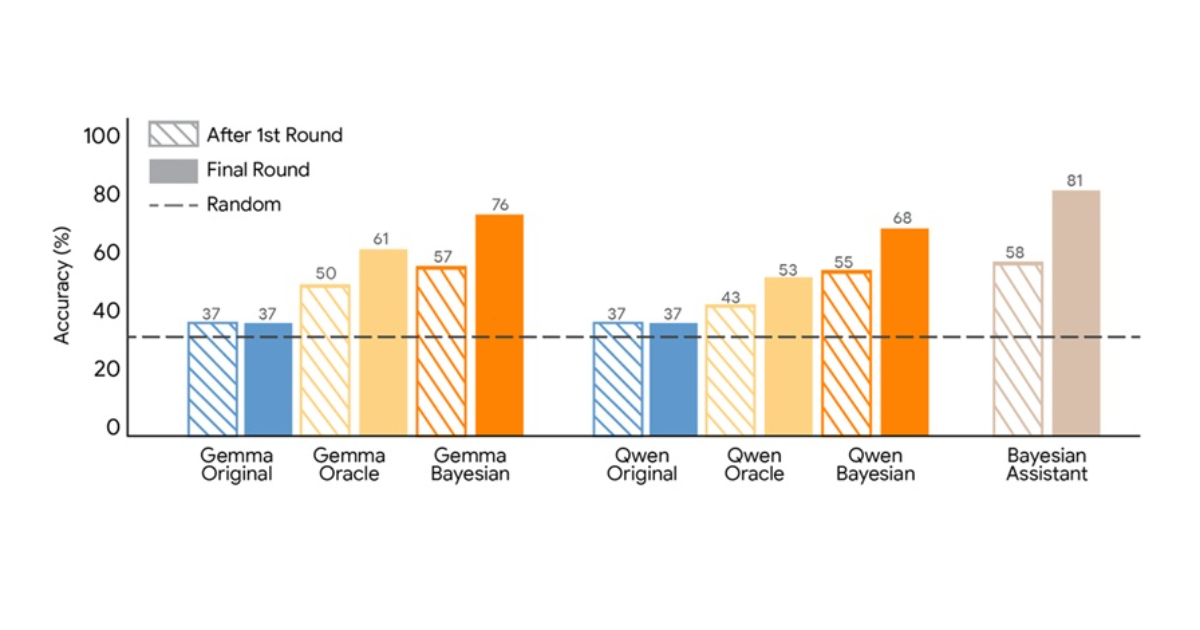
Google researchers are proposing a Bayesian teaching method for large language models. This aims for better reasoning in AI, crucial for applications like recommendation systems.
On another note, AbjadPro is revolutionizing how we learn Arabic with spaced repetition. Its focus on comprehensible input and engaging content is a game-changer in language acquisition.
Tech Challenges and Responses

The memory shortage crisis has prompted vendors to offer 'fake RAM' alongside real modules. It’s a desperate attempt to provide a dual-module look without the price tag.
Additionally, the Montana Right to Compute Act is setting a precedent for digital rights. This legislation aims to ensure access to computational resources, promoting privacy and innovation.
The Evolving Internet Landscape

Cloudflare's support for the ASPA standard marks a significant step in internet routing security. This new protocol aims to verify data paths, improving reliability across networks.
Meanwhile, the sunsetting of Jazzband highlights the impact of AI on open-source collaboration. The influx of AI-generated spam PRs has made traditional models unsustainable.
Montana Passes Right to Compute Act
Montana has become the first state to secure comprehensive rights for citizens to own and utilize AI tools, ensuring digital privacy and accessibility. The new law includes strict governmental regulation limits and mandatory safety protocols for AI.
Google Researchers Propose Bayesian Teaching Method for Large Language Models
Google's new training method aims to teach LLMs to better approximate Bayesian reasoning, improving their ability to update beliefs based on new information. This could enhance real-world applications like recommendation systems.
Cloudflare Introduces Support for ASPA
Cloudflare's support for the ASPA standard enhances internet routing security by verifying data paths. This aims to reduce routing vulnerabilities and improve network reliability.
- I Found 39 Algolia Admin Keys ExposedA developer uncovered numerous exposed Algolia admin API keys across open-source documentation sites, raising security concerns. — Ben Zimmermann
- RAM Kits Now Sold with Fake ModulesV-Color introduces 1+1 RAM kits that include a fake module to give the appearance of dual-channel performance amid shortages. — Tom's Hardware
- Stop Guessing Your LLM ReplacementA practical guide on migrating LLM applications across different cloud platforms due to business constraints. — Dev.to
- Frontend System Design: Offline Support and PWAsA comprehensive guide on designing Progressive Web Apps with offline capabilities and user engagement strategies. — Dev.to
- Hostile Volume – A Game about Bad UIA quirky game that challenges players to maintain a specific volume level amidst frustrating controls. — Hostile Volume
Was this issue useful?
One click is enough — it shapes the next one.