 Cloud & DevOps· · 2 min
AI Takes Center Stage.
Today’s tech world is buzzing with AI innovations and cloud-native developments. From AWS's new tools to the challenges of integrating Kubernetes, the landscape is evolving fast. Let’s dive into what’s shaping our digital future.
AI Takes Center Stage

AI is rewriting the rules, and it’s clear from the latest tools and innovations. From Claude Opus 4.8's release to Relay Network's secure AI coding practices, companies are embedding AI into their workflows. But with speed comes risk — security teams are scrambling to catch up as AI-generated code outpaces traditional safety measures.
The implications are huge. As organizations adopt AI more broadly, the conversation around responsible deployment intensifies. Companies like OpenAI and Anthropic are hiring specialized teams to ensure their AI systems are functional and secure. It’s time for all tech players to step up their game.
Cloud-Native Innovations
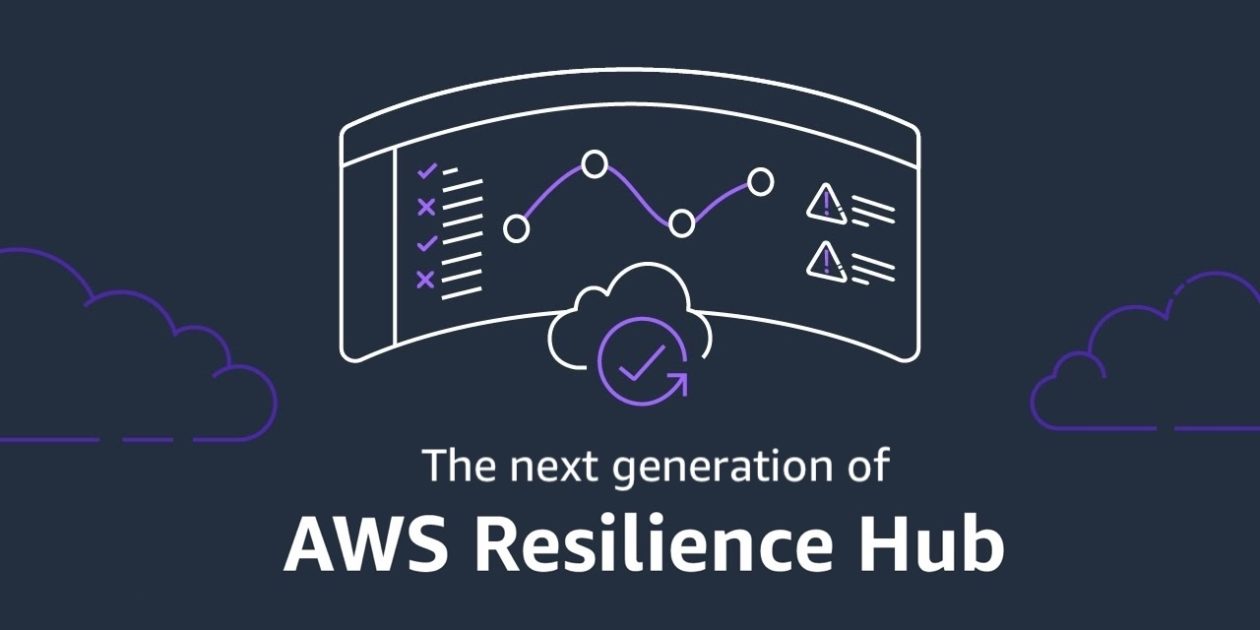
AWS is pushing the boundaries with its next-gen Resilience Hub and OpenSearch Serverless, enhancing SRE and AI application development. These tools promise better scalability and cost efficiency while simplifying operational challenges.
Meanwhile, the Kubernetes ecosystem is feeling the strain of integration taxes. As teams juggle multiple CNCF projects, the hidden costs of interoperability are becoming a significant hurdle. Finding solutions to streamline these integrations will be crucial for smoother deployments.
Security and Compliance Challenges
As AI tools proliferate, security is taking a hit. Snyk highlights that vulnerabilities are on the rise, with AI code generation contributing to a backlog of issues that teams can’t keep up with. The need for strong security measures is more pressing than ever.
In response, solutions like SCIM in HashiCorp Vault are emerging, aiming to standardize identity management and improve compliance. This shift towards identity-centric security is crucial as organizations scale.
The Future of Observability
Debugging AI systems remains a challenge. As AI becomes more complex, building observability into these systems is essential. The integration of tools like Prometheus and Cilium needs to be seamless to avoid the integration tax.
Companies are realizing that enhancing observability can prevent costly outages and improve performance. This is a critical area that will demand attention as our reliance on AI and cloud-native solutions grows.
AI is shipping code faster than security was built to handle
AI-generated code is surging, leaving security teams scrambling. The volume of vulnerabilities is skyrocketing, making rapid remediation essential.
Building a cloud native internal developer platform with Kubernetes, GitOps, and supply chain security
This piece discusses creating a robust developer platform using Kubernetes and GitOps. It addresses key operational challenges in modern software delivery.
The fix for soaring AI cloud bills exists — so why won’t we trust it?
With cloud costs rising due to AI workloads, the industry faces a trust gap in managing resources effectively. Solutions are available but underutilized.
- Vendor neutrality isn’t magic: A hard look at the OpenTelemetry ecosystemExploring the complexities of vendor neutrality in OpenTelemetry. — The New Stack
- How we built Cloudflare's data platform and an AI agent on top of itCloudflare details its unified data analytics platform and AI agent. — Cloudflare
- Stop pushing broken code to CI: Wire Chunk sidecars into agent hooksA new approach to CI that prevents broken code from being pushed. — CircleCI
- Why Linux creator Linus Torvalds gets angry hearing “99% of code is AI”Torvalds shares his thoughts on AI's impact on coding. — The New Stack
- Claw-style AI agents are coming to the enterprise. The governance infrastructure is still catching up.Discusses the rise of AI agents in enterprises and the need for governance. — The New Stack
Was this issue useful?
One click is enough — it shapes the next one.