 Open Source· · 2 Min.
AI and Open Source: A Double-Edged Sword.
Today’s tech chatter buzzes with open-source advancements and AI's growing pains. Major players are innovating tools while grappling with the impact of AI on security and community dynamics. Let's dive into the highlights.
AI and Open Source: A Double-Edged Sword
AI is shaking up open-source security, pushing maintainers to their limits. New AI-generated threats are overwhelming developers, as highlighted by OpenSSF's Christopher Robinson. The human element in open-source security is being tested like never before.
Meanwhile, Google's TurboQuant could revolutionize LLM efficiency with massive memory savings. This tech promises faster inference, making it a potential game-changer for scalable AI deployment, if adopted widely.
Open-Source Innovations on the Rise
SUSE has launched an open agentic AI ecosystem, unifying VMs and containers for smoother operations. This marks a significant step toward automated infrastructure powered by open-source solutions.
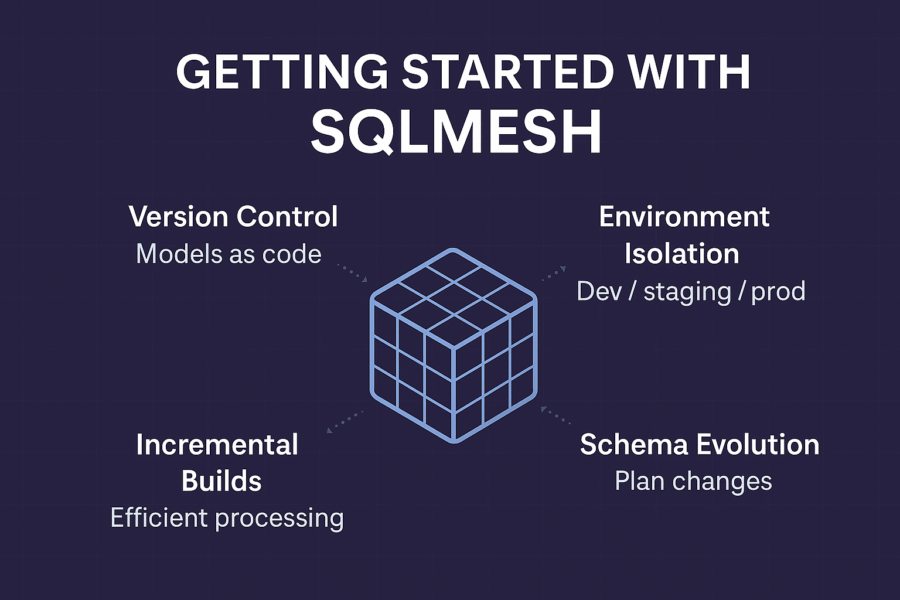
SQLMesh is now an open-source project under the Linux Foundation, aiming to enhance data transformation for modern analytics stacks. This community-driven approach could reshape how organizations handle data without vendor lock-in.
Community and Collaboration

The CNCF has officially backed Backstage as the industry standard for platform engineering. This shift highlights the power of community-driven innovation in shaping technology.
New contributors are joining the Debian community, signaling a healthy influx of talent. This is crucial for sustaining open-source projects and fostering collaboration across the ecosystem.
Sustainable Coding Practices

CNaught has introduced Carbonlog, an open-source tool to track carbon emissions from AI-assisted coding. This is a step towards transparency in AI’s environmental impact, which is often overlooked.
As developers increasingly adopt AI tools, understanding their environmental footprint is essential. Carbonlog aims to bridge that gap, making eco-conscious coding more accessible.
Google TurboQuant Signals Open Source Breakthrough In LLM Efficiency
Google's TurboQuant could reshape LLM efficiency, promising 6X memory cuts and faster inference speeds. This breakthrough could lower infrastructure costs and improve performance for AI applications.
AI-Generated Threats Push Open Source Security To Breaking Point
AI is overwhelming open source maintainers, exposing human limits in security response. The surge in AI-generated issues complicates vulnerability management, risking project reputations.
- James Valleroy: Stagger v0.1.0Valleroy releases a demo of his roguelike game, Stagger, showcasing turn-based gameplay with retro text graphics. — James Valleroy
- Astral has been acquired by OpenAIOpenAI has acquired Astral, a move that could impact the AI landscape significantly. — Changelog
- SUSE Unifies VMs And Containers With Open AI-Driven PlatformSUSE launches an AI-driven platform that integrates VMs and containers, promoting autonomous operations. — Open Source For You
- NetRise Targets Human Layer In Open Source Supply Chain AttacksNetRise's Provenance tool enhances visibility in open source supply chains by mapping contributors' identities. — Open Source For You
- Visual Studio Code 1.114The latest update of Visual Studio Code brings new features and improvements for developers. — Visual Studio Code
- Evgeni Golov: Converting Dovecot password schemes on the fly without (too much) cursingGolov shares insights on upgrading Dovecot and handling password schemes smoothly. — Evgeni Golov
- Jonathan Dowland: Digital gardeningDowland explores the concept of digital gardening and organizing information effectively. — Jonathan Dowland
War diese Ausgabe hilfreich?
Ein Klick genügt – er prägt die nächste Ausgabe.