 Engineering· · 2 Min.
AI's New Frontiers.
Today’s tech landscape is buzzing with AI breakthroughs, innovative design shifts, and some serious security concerns. From Google's anti-scraping measures to AI tackling complex math problems, it’s clear that the future is unfolding rapidly. Keep your eyes peeled; these developments could shape the way we interact with technology.
AI's New Frontiers

OpenAI claims to have cracked the Navier-Stokes problem, a major breakthrough in fluid dynamics. This is one of the Millennium Prize Problems, which could redefine our understanding of mathematical challenges. As AI continues to tackle complex problems, the implications for various fields are enormous.
In another twist, AI is evolving beyond mere answer generation. The Aletheia project proposes a shift towards deeper reflection and understanding in AI interactions. This could lead to machines that better facilitate human thought rather than just providing responses.
Google’s Anti-Scraping Tactics
Google is now redirecting organic search results through its own links, complicating the work of scrapers and crawlers. This move aims to protect its SERP data and combat automated harvesting. It’s a significant shift that could reshape how developers build their search index strategies.
This change highlights the ongoing battle between tech giants and web scrapers. For developers, adapting to these new rules is essential to ensure visibility in search results.
Rethinking Design for New Devices
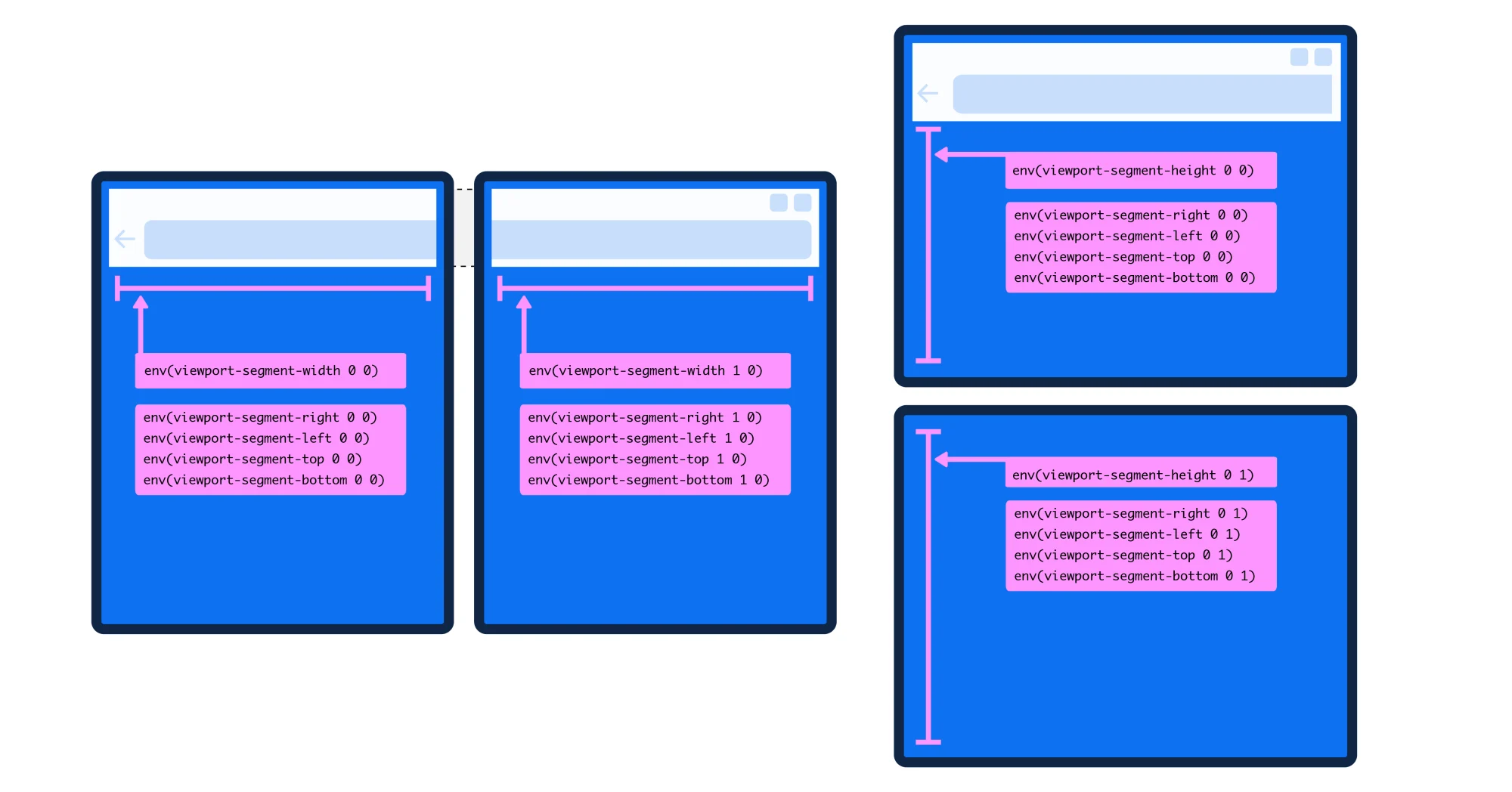
As dual-screen and foldable devices become mainstream, web design is evolving. Developers are leveraging CSS media queries to create responsive layouts that adapt seamlessly to these new formats. This is a crucial step in improving user experience on devices like the Google Pixel Fold.
Embracing these design principles is key for developers aiming to stay ahead in a rapidly changing landscape.
AI Just Claimed to Crack the Navier-Stokes Problem
OpenAI announced a potential solution to the Navier-Stokes equations, stirring excitement and skepticism. This claim could redefine AI's role in solving complex mathematical problems, but the implications might be broader than just this one equation.
Google’s New Search Link Format
Google is changing how it presents search results by routing clicks through its own URLs. This strategy complicates the process for scrapers and may alter the landscape for developers relying on organic search traffic.
- Resistance Training Prescription for Muscle FunctionA comprehensive overview of resistance training guidelines aimed at improving muscle function and hypertrophy. — PMC
- What Actually Happens When You Type a URL in Your Browser?An insightful breakdown of the steps your browser takes from URL entry to webpage display. — Dev.to
- The Rise of Multimodal AI AgentsDevelopers are shifting towards unified runtimes to simplify the architecture of multimodal AI agents. — Dev.to
- Lambda SnapStart Comes to Container ImagesAWS Lambda's SnapStart feature now supports container images, significantly improving startup times. — InfoQ
- The Backup Awakens: A Database Backup QuestA personal account detailing the importance of a robust database backup strategy. — Dev.to
- Recovering a Lost RNS 510 Radio Code with a Python ScriptHow to recover a lost radio code using a Python script, a practical guide for Volkswagen owners. — Dev.to
War diese Ausgabe hilfreich?
Ein Klick genügt – er prägt die nächste Ausgabe.