 Engineering· · 2 Min.
Networking Made Easy.
Today’s tech landscape is buzzing with innovations in AI, hardware, and security. From new USB adapters to open-source AI tools, there's a lot to unpack. Let’s dive into the highlights.
Networking Made Easy

New 10 GbE USB adapters are hitting the market, making high-speed networking more accessible. These compact and affordable devices could replace bulky Thunderbolt adapters, offering a sweet spot for gamers and professionals needing extra bandwidth. At around $80, they promise better performance with less hassle.
The Rise of Collaborative AI
Meet WUPHF, a new collaborative platform where AI agents can interact and manage tasks in real-time. Think of it as a Slack for AI, bridging the gap between human and machine productivity. With this setup, your AI workforce can pitch ideas, claim tasks, and deliver results—all while you sip your coffee.
Open Source Memory for AI

Enter Stash, an open-source memory layer that allows AI agents to remember past interactions. No more re-explaining projects during every session. This tool could seriously boost productivity by keeping track of preferences and past conversations, bridging the gap between sessions.
Security Concerns in AI

A recent breach at Vercel highlights the vulnerabilities of OAuth in AI tools. An employee’s compromised token led to access issues, prompting a reevaluation of trust in third-party integrations. It’s a stark reminder that security needs to evolve alongside AI capabilities.
The Evolution of Web Development
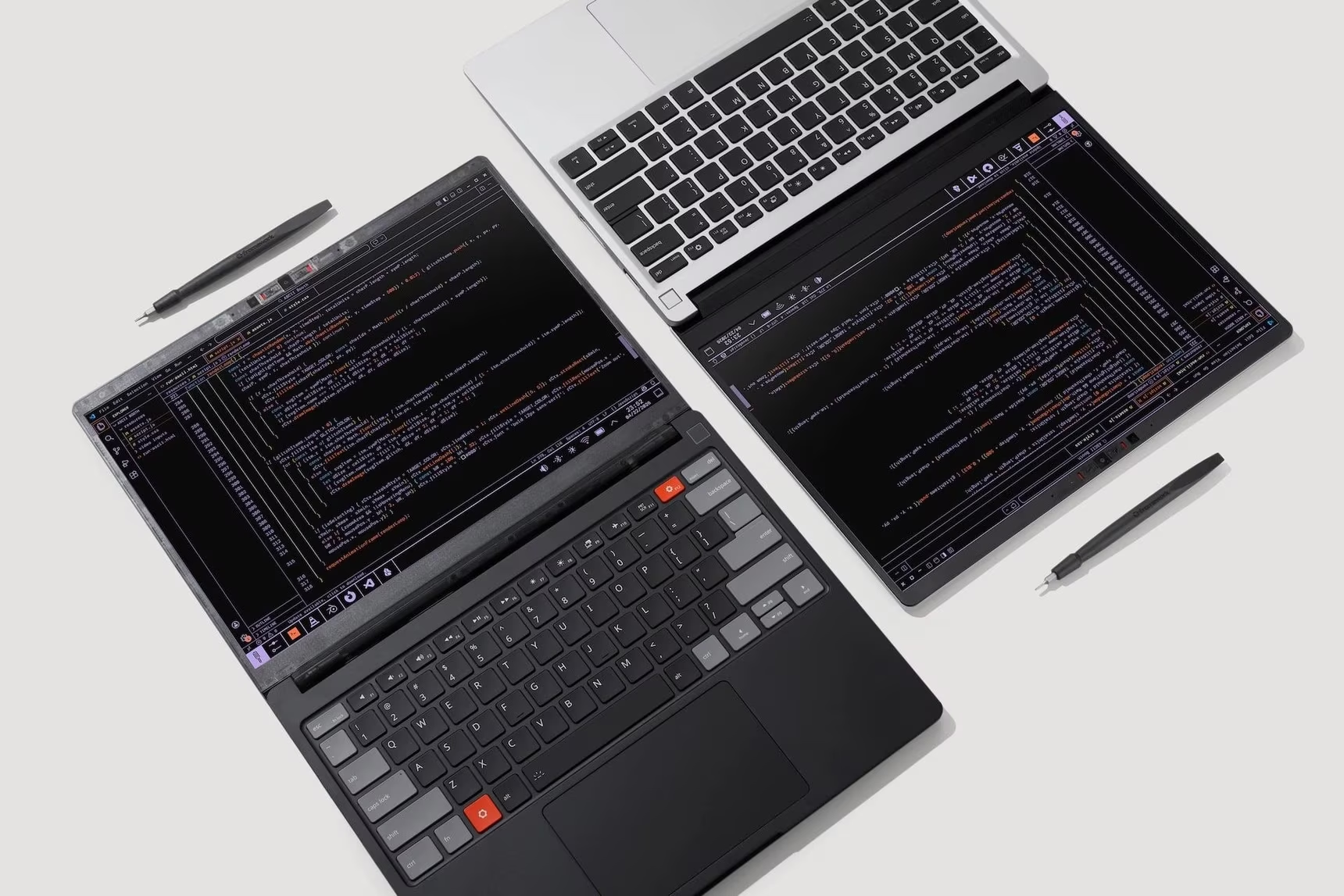
Framework Laptop 13 Pro is here, promising major upgrades and a focus on Linux compatibility. With a sleek design and improved build quality, it caters to developers who value repairability and performance. It’s a step forward in making powerful, sustainable hardware accessible.
Cloudflare's new Gen 13 servers come equipped with this amount of NVMe storage, doubling their capacity.
QuelleOpenAI is offering this amount as a reward for the first universal jailbreak that clears their bio safety questions.
QuelleCloudflare's latest servers utilize this many cores to optimize performance without relying heavily on large cache sizes.
QuelleOpen Source Memory Layer So Any AI Agent Can Do What Claude.ai and ChatGPT Do
Stash offers a memory layer for AI agents, allowing them to retain context across sessions. This innovation could streamline interactions, making AI tools more intuitive and user-friendly.
The AI Tool That Breached Vercel: A Case Study in Agent Trust Debt
A security incident at Vercel illustrates the risks associated with AI tool integrations and OAuth tokens. This breach underscores the need for improved security measures in AI ecosystems.
- Best Transactional Email Provider: How to ChooseChoosing the right transactional email provider is crucial for app success. This article breaks down essential criteria for selection. — Dev.to
- Error Handling in JavaScript: Try, Catch, FinallyA deep dive into JavaScript error handling techniques that can save users from a frustrating experience. — Dev.to
- Cosmology with Geometry NodesUsing Blender for cosmological simulations, this article details innovative techniques in visualizing the universe. — Blender
- Turbo Vision 2.0 – A Modern PortA modern take on the classic Turbo Vision framework for text-based UIs, now with Unicode support. — GitHub
- AeroCraft: Less CSS, Faster UI DeliveryAeroCraft simplifies CSS workflows with reusable shortcuts, enhancing readability and design consistency. — Dev.to
- Framework Laptop 13 Pro: Major Upgrades and Linux Front and CenterThe Framework Laptop 13 Pro boasts significant upgrades, addressing previous model shortcomings. — Boiling Steam
War diese Ausgabe hilfreich?
Ein Klick genügt – er prägt die nächste Ausgabe.