 Engineering· · 2 Min.
AI Takes Center Stage.
Tech continues to evolve at a breakneck pace. From AI advancements to the latest in coding frameworks, there's a lot to unpack today. Let’s dive into what’s shaping the future of software engineering and web development.
AI Takes Center Stage

AI tools are becoming integral in coding workflows. Developers are leveraging local AI models to cut costs and maintain data privacy. This shift is reshaping how solo entrepreneurs and small teams approach software development.
In a recent article, one developer highlights how they replaced traditional AI API dependencies with locally run models. This not only saved money but also provided more control over their data and processes.
Revamping Java Performance

The Leyden project is on a mission to enhance Java's performance, addressing long-standing issues like startup time and memory footprint. In a three-part series, the author breaks down the benefits of Ahead-of-Time (AOT) compilation and how it can significantly improve Java applications.
Part 1 discusses the historical context of Java's performance challenges, while subsequent parts delve into practical implementations and tooling to harness these improvements.
Navigating Technical Debt
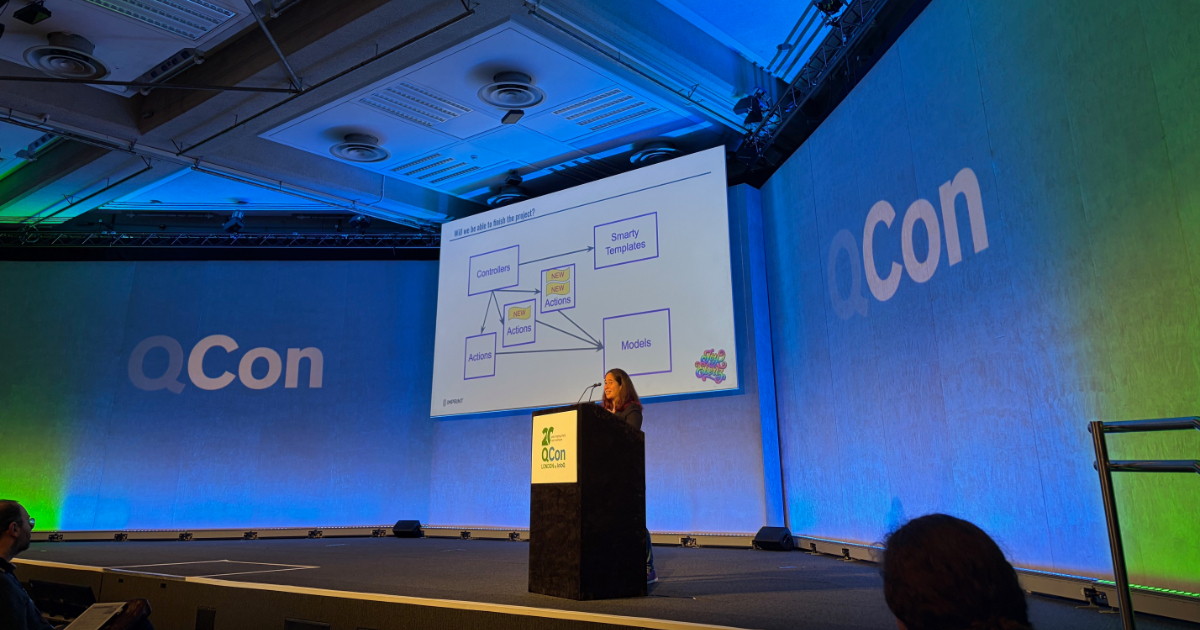
At QCon London 2026, experts discussed the nuanced realities of technical debt. Joy Ebertz argued that not all debt is created equal, urging teams to focus on what truly matters.
Her framework encourages developers to prioritize based on potential impact rather than striving for a perfect codebase. This pragmatic approach could lead to healthier development practices.
The Evolution of Gaming Tech

The gaming world saw a significant breakthrough as the once 'unhackable' Xbox One was compromised. At the RE//verse 2026 conference, hackers showcased how voltage glitching allowed them to load unsigned code.
This event underscores the ongoing cat-and-mouse game between console security and hacker ingenuity.
Local AI Is the Solopreneur's Secret Weapon
Open-source AI models are revolutionizing solo entrepreneurship by allowing users to run powerful tools locally, avoiding subscription costs and data privacy issues.
Every Layer of Review Makes You 10x Slower
An interesting take on how organizational structure can severely hinder development speed, emphasizing that each layer of approval adds significant time delays.
- Building a ShellA developer's journey into building a toy shell, exploring the mechanics behind command execution. — Healey Codes
- How is Leyden improving Java Performance? Part 3 of 3The concluding part of Leyden's impact on Java performance, focusing on tooling and application tuning. — Dev.to
- Monkey Island for Commodore 64 Ground UpAn ambitious project to bring the classic game to Commodore 64, featuring hand-drawn graphics. — Pixel Dust
- Making AI Write Android Code Our Way: A Practical Guide to Agent SkillsA guide on customizing AI to generate Android code efficiently. — Medium Engineering
- Stop wasting money on AI: 10 ways to cut token usagePractical tips to reduce token usage in AI applications without sacrificing performance. — LogRocket
- Building Skedoff: Why I’m Making an Offline-First Content PlannerA developer’s take on creating a content planner that prioritizes offline use. — Dev.to
- Cross-site scripting – Reflected XSS into HTML context with most tags and attributes blockedA practical guide on exploiting reflected XSS vulnerabilities, highlighting security best practices. — Dev.to
War diese Ausgabe hilfreich?
Ein Klick genügt – er prägt die nächste Ausgabe.