 Neue Tech· · 2 Min.
Biotech Breakthroughs.
Today’s tech landscape is buzzing with breakthroughs in biotech, AI, and environmental sustainability. From innovative tools in research labs to the latest in space exploration, the future looks bright. Let’s dive into the highlights shaping our world.
Biotech Breakthroughs

UCLA students have automated electroporation, paving the way for fully autonomous biotech labs. This innovation could speed up research workflows significantly. Meanwhile, researchers found that the first letter of RNA can influence immune responses, hinting at deeper biological mechanisms in antiviral defenses.
In another exciting development, sustainable chemistry is making waves as iron replaces noble metals in catalytic reactions. This shift could lower costs and environmental impact in various industries, from pharmaceuticals to plastics.
AI and Automation Trends
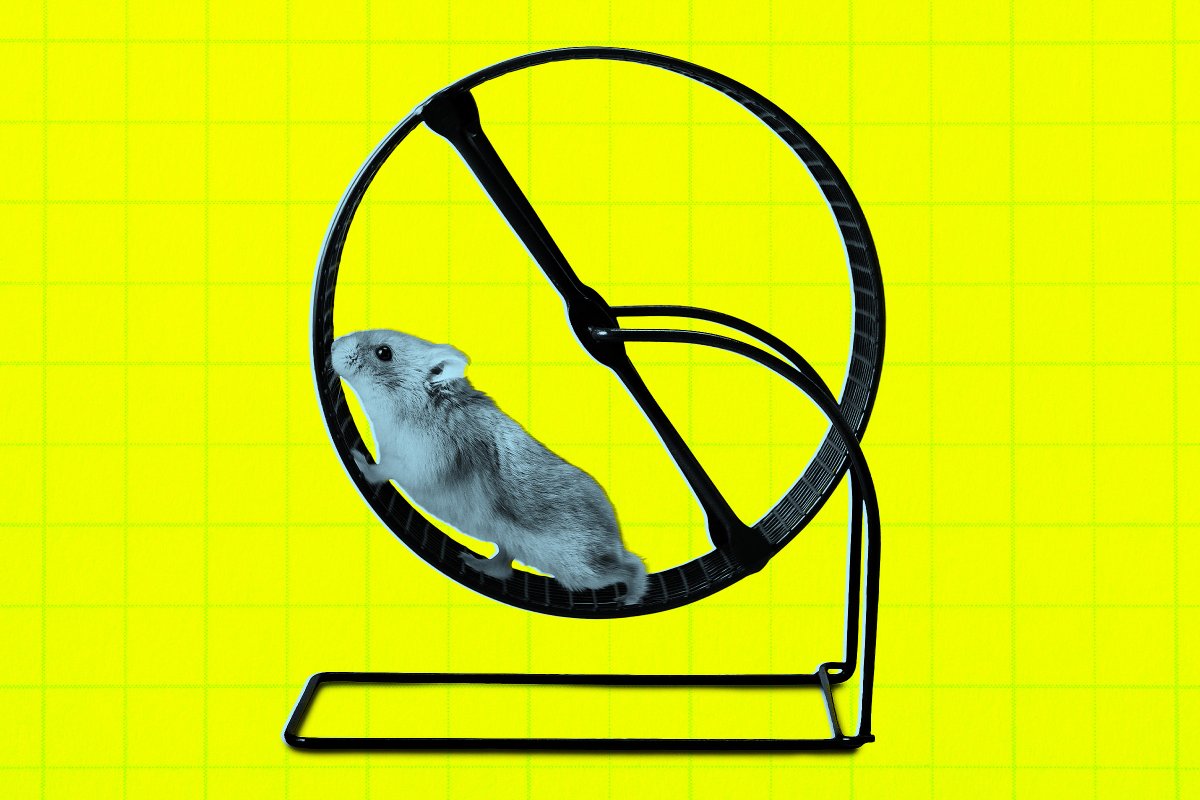
A programmer's quest for spontaneity led him to create an app that disrupts his algorithm-driven life. This story questions how much control we’ve ceded to technology while seeking meaningful experiences.
In the world of industrial AI, there's a call for training systems on physics rather than prompts. The argument is clear: real-world applications demand a deeper understanding of physical phenomena to prevent costly mistakes on the factory floor.
Environmental Resilience

A new study has revealed that lobster embryos’ microbiomes could withstand future ocean conditions. This resilience might be critical for marine species facing climate change challenges.
In agriculture, plasma treatment is extending the life of cut flowers without chemicals. This method could revolutionize how we think about sustainability in the floral industry.
Space Discoveries
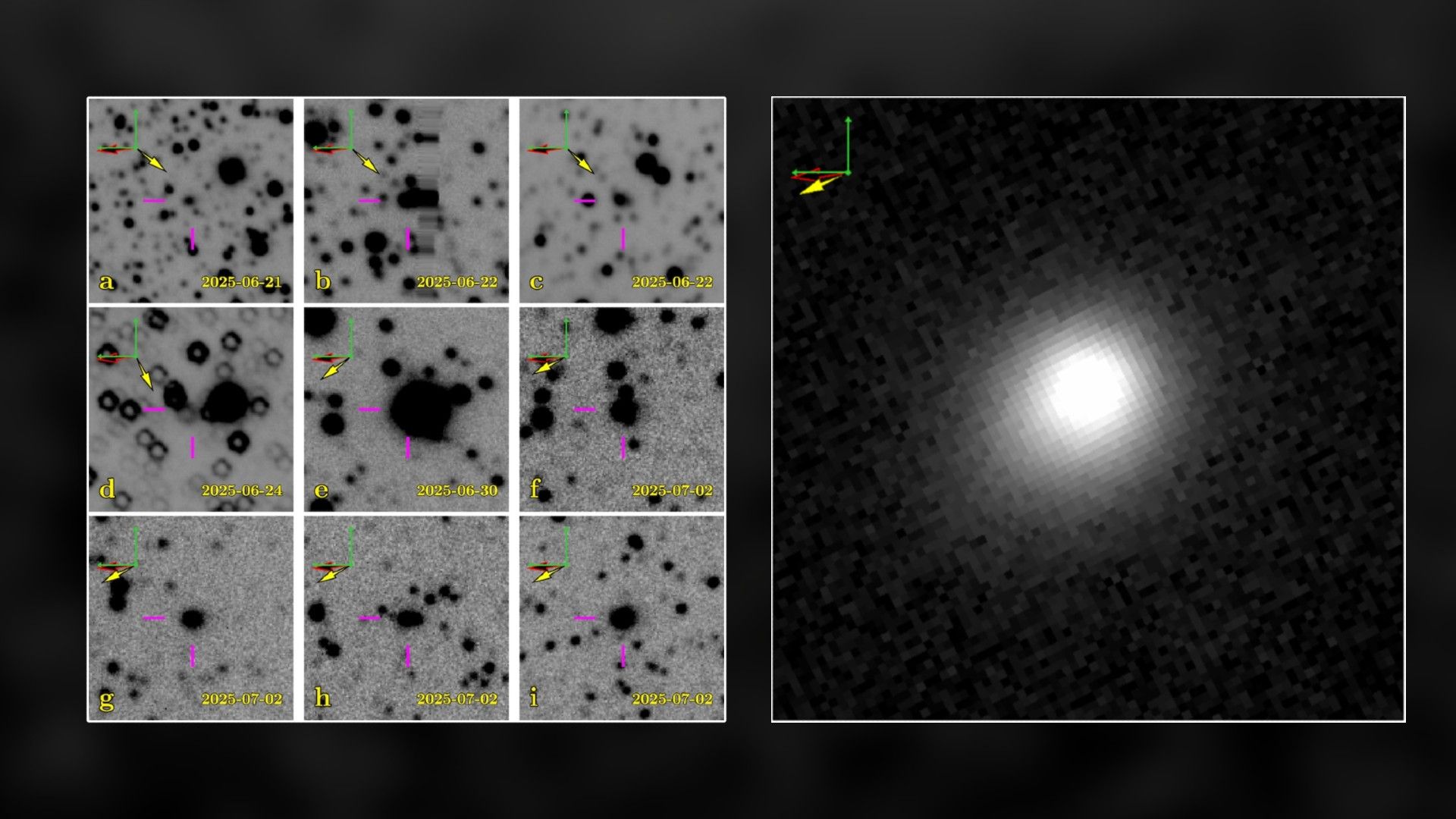
Astronomers have discovered interstellar comet 3I/ATLAS hiding in earlier images, showcasing the power of modern telescopes. This discovery emphasizes how our observational capabilities are evolving.
Moreover, a newly identified asteroid is set to make a close pass by Earth, reminding us of the dynamic nature of our solar system and the importance of monitoring space objects.
Student-built system unlocks fully autonomous electroporation for 96- and 384-well workflows
UCLA students have automated a critical lab process, potentially changing the future of research workflows. This advancement could lead to more autonomous biotech labs.
Common cancer protein may be therapeutic target, study finds
Research indicates that a common protein, Ki-67, could play a role in preventing chromosome errors that lead to cancer. This finding opens new avenues for cancer treatment.
- Sustainable chemistry: Iron substitutes noble metals in catalytic reactionsResearchers have developed an iron compound that could replace expensive noble metals in chemical reactions. — Phys.org
- Why some water fleas suddenly grow helmets: Key receptors reveal how predator warnings trigger defenseA study sheds light on how water fleas detect predators and adapt their defenses. — Phys.org
- Marketing 101: stop the shiny-object chase, start hitting targetsA guide to effective marketing strategies that focus on achieving real results. — Interesting Engineering
- First outbursting hot subdwarf binary discoveredAstronomers have discovered a new hot subdwarf binary system that produces dwarf nova outbursts. — Phys.org
- Lobster embryo microbiomes remain resilient in future ocean conditions, sequencing revealsNew research shows that lobster embryos' microbiomes could withstand changing ocean conditions. — Phys.org
War diese Ausgabe hilfreich?
Ein Klick genügt – er prägt die nächste Ausgabe.