 Neue Tech· · 2 Min.
AI and Digital Inequality.
Today, we're diving into the latest in tech and science, from AI's widening gap to breakthroughs in quantum physics. The big themes? Innovation is buzzing, but inequalities are growing. Pay attention — these trends are shaping our future.
AI and Digital Inequality

A new study reveals the rich are more likely to use AI, highlighting a digital divide that could deepen societal gaps. Higher education and income correlate with AI familiarity, leaving lower socioeconomic groups behind. As AI tools proliferate, this disparity will impact access to information and opportunities.
Nature's Resilience

Oak trees are showing some clever survival tactics. They delay leaf growth if faced with caterpillar infestations, drastically reducing damage. It’s a fascinating example of nature adapting to threats.
Space and Climate Updates
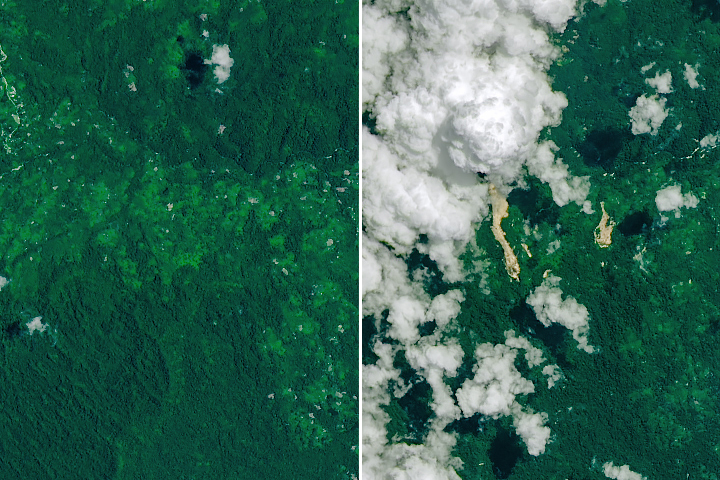
Cyclone-driven landslides in Papua New Guinea remind us of nature's fury. Heavy rains from Tropical Cyclone Maila caused significant destruction. Meanwhile, the Flower Moon, a micromoon, is set to grace our skies tonight, a reminder of the celestial wonders.
Innovations in Medicine

MIT's new laser breakthrough allows real-time observation of drugs entering the brain. This could transform treatment approaches for neurodegenerative diseases. Additionally, Beacon Biosignals is mapping brain activity during sleep to enhance disease diagnosis.
Exciting Developments in Space and Manufacturing
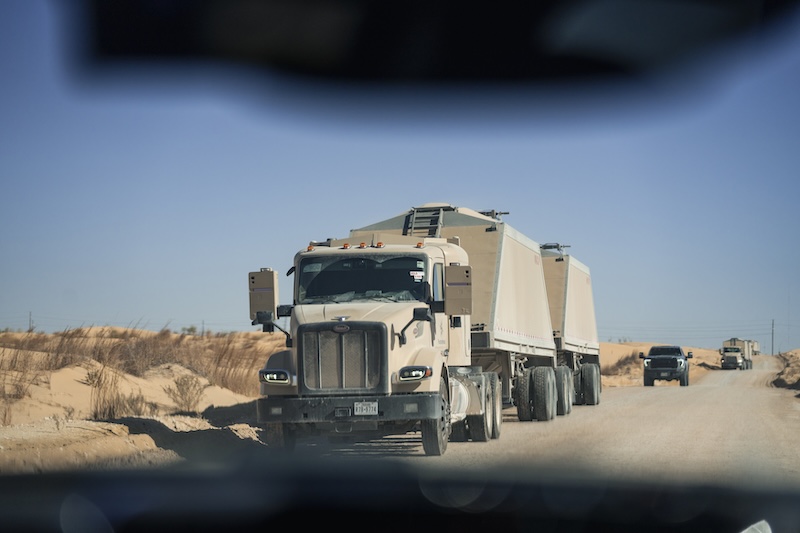
Massachusetts is investing nearly $1.85 million in advanced manufacturing startups, aiming to bolster local job growth. Meanwhile, Bosch is delivering hardware for Kodiak's autonomous trucks as self-driving tech moves to production scale — a huge leap for logistics.
India's Cows Offer Biogas Alternative Amid Energy Crunch
In response to an energy crunch caused by geopolitical tensions, Indian villages are turning cow dung into biogas, providing a sustainable cooking fuel. This initiative showcases how traditional practices can alleviate modern energy shortages.
Malaria's Hidden Role in Human Evolution
New research indicates that malaria has significantly influenced human migration and evolution. The study highlights how disease shaped ancient human populations and their movements across Africa.
- Wreckage of US Coast Guard Ship FoundThe USCGC Tampa, lost in WWI, has been discovered off the coast of England, connecting current generations to the sacrifices of the past. — Phys.org
- Exotic Particles May Break Standard ModelNew findings from CERN hint at particles that could challenge the Standard Model of physics, a significant leap in our understanding of the universe. — Nature
- US Faculty Members Report High Anxiety LevelsStudies reveal high anxiety levels among US faculty, particularly those in health disciplines, suggesting the need for better mental health support. — Nature
- Autonomous Trucking Moves Toward Production ScaleBosch is delivering hardware to Kodiak, marking a significant step toward the production scale of autonomous trucking. — Robotics and Automation News
- AI's Impact on Web ContentThe rise of AI-generated content is leading to a more uniform and less human web experience, as new studies reveal. — Extreme Tech
War diese Ausgabe hilfreich?
Ein Klick genügt – er prägt die nächste Ausgabe.