 Neue Tech· · 3 Min.
AI's Unmasking Capabilities: A Double-Edged Sword.
Today's tech news digest paints a vivid picture of the rapidly evolving landscape of artificial intelligence, robotics, and space exploration. From the unsettling implications of AI's ability to deanonymize online users to the fascinating biological changes astronauts experience in space, the stories highlight the intersection of technology and human experience. Meanwhile, significant advancements in robotics aim to enhance operational efficiency, while emerging environmental research underscores the importance of understanding our ecological impact.
AI's Unmasking Capabilities: A Double-Edged Sword

A recent study has revealed that AI can effectively unmask pseudonymous users online, raising serious concerns about privacy and anonymity in digital spaces. Researchers found that large language models could deanonymize users on platforms like Reddit and Hacker News with alarming precision, a capability that could change how we perceive online safety and freedom of expression. This disturbing trend necessitates a reevaluation of current privacy protections and the ethical implications of deploying such technology.
The consequences of this research stretch beyond mere data privacy. As more companies integrate AI into their systems, the risk of unintentional exposure grows, especially for vulnerable populations who rely on pseudonymity for safety. The tech industry must prioritize establishing robust safeguards to protect individuals while navigating the delicate balance between innovation and ethical responsibility.
The Intersection of AI and Children's Toys
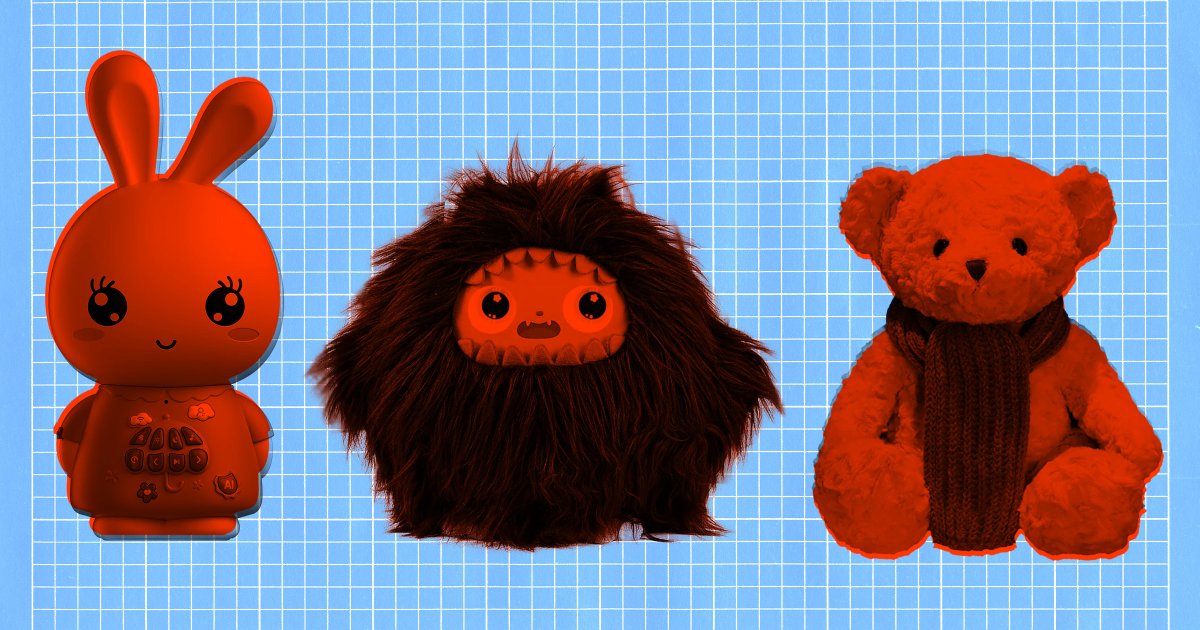
The integration of AI technologies in children's toys has sparked controversy as a new report highlights the dangers of deploying adult-centric AI models in products meant for kids. Incidents involving chatbots in toys have already resulted in inappropriate and dangerous conversations, raising red flags about the oversight in AI development. The report emphasizes the urgent need for stricter regulations to ensure that developers appropriately vet AI applications before they reach young audiences.
As AI continues to permeate various aspects of daily life, the ethical implications of its use in children's products cannot be ignored. Developers must consider the potential psychological and safety impacts on children, ensuring that these technologies foster a safe and educational environment rather than one fraught with risks. The responsibility falls on both AI companies and regulatory bodies to establish guidelines that protect minors from unsuitable content.
Human Adaptation in Space: More Than Meets the Eye

New research reveals that living in space can alter the position of the brain within the skull, marking significant implications for long-term space missions. As NASA prepares for longer expeditions beyond the confines of Earth, understanding how microgravity affects the human body becomes increasingly critical. The study indicates that the brain's deformation could influence cognitive functions and health, necessitating further investigation into the physiological effects of space travel.
As humanity sets its sights on Mars and beyond, these findings underscore the importance of ensuring that astronauts are not only physically prepared but also mentally equipped to handle the challenges of extended missions. This research contributes to the growing body of knowledge regarding human adaptability and resilience in extreme environments, which will be crucial as we explore the cosmos.
The number of visitors to the Automation Expo in Thailand, indicating strong interest in automation technologies.
QuelleThe increase in attendance at the Automation Expo compared to the previous year, reflecting growth in the automation sector.
QuelleThe proportion of pseudonymous users that AI was able to unmask in a study, raising significant privacy concerns.
QuelleAutomation Expo in Thailand Concludes with Strong Attendance
The Automation Expo 2026 in Thailand has showcased a remarkable 50% increase in attendance compared to last year, drawing over 11,000 visitors. This event highlights Thailand's growing role as a hub for advanced manufacturing and industrial innovation, underlining the country's robust industrial infrastructure and its appeal to international companies seeking reliable production bases. The expo's success signifies a strong demand for automation technologies and best practices, paving the way for future developments in the sector.
Scientists Map the Hidden Chemistry of Solar-Powered Catalysts
A new theoretical approach has allowed scientists to uncover the subtle structural changes in polyheptazine imides that enhance their performance as solar-powered catalysts. This breakthrough could significantly accelerate the development of photocatalytic materials, essential for converting sunlight into chemical energy. Understanding these chemical behaviors is crucial as the world shifts toward renewable energy solutions and seeks to optimize the efficiency of solar energy conversion systems.
- Hypersonic missiles may slip past US-made defenses as Iran strikes IsraelA Chinese study finds that hypersonic missiles could potentially evade US defense systems, raising alarms about international security. — Interesting Engineering
- New underwater vehicle with strong thrust can operate for 30 daysA US firm has unveiled a new underwater vehicle designed to operate efficiently for extended periods, showcasing advancements in marine technology. — Interesting Engineering
- Scientists develop new model to assess global salt marsh carbon sinksResearchers have created a model to better evaluate the carbon sequestration capabilities of salt marshes, addressing a gap in environmental science. — Phys.org
- Children’s toys are shipping with adult AI inside themA report reveals the risks of children's toys powered by adult AI models, emphasizing the need for stricter regulations. — Futurism
- 5,500-Year-Old Graves Reveal Surprising Stone Age Family SecretsAncient graves in Sweden provide insights into the social structures and kinship networks of Stone Age hunter-gatherers. — SciTech Daily
- DART images reveal asteroids can toss slow 'cosmic snowballs' between moonsNew findings from DART images show how asteroids can exchange materials between their moons, enhancing our understanding of cosmic behavior. — Phys.org
- Mixed-flower Australian honey packs a stronger anti-microbial punchA study finds that honey from bees collecting nectar from a variety of plants has enhanced anti-microbial properties. — Phys.org
War diese Ausgabe hilfreich?
Ein Klick genügt – er prägt die nächste Ausgabe.