 Neue Tech· · 4 Min.
The Climate Conundrum: Wildfires and Snow Cover.
Today's tech digest reveals a fascinating interplay of environmental challenges and technological advancements. From the implications of shrinking snow cover on climate systems to the rising wave of AI in healthcare, it's clear that our natural world and technological landscape are rapidly evolving together. As we navigate these shifts, the focus on sustainable practices in industries, such as the second-hand smartphone market and innovative wildfire management, underscores a collective push towards a greener future. With these developments, the questions arise: How will we adapt, and what role will technology play in shaping our response to these pressing issues?
The Climate Conundrum: Wildfires and Snow Cover
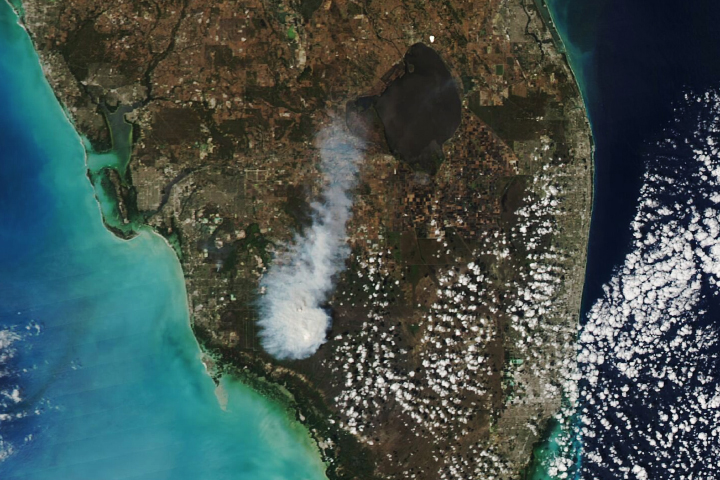
Recent studies underscore the precarious balance of our climate, as wildfires in northern Canada threaten to release vast amounts of carbon from permafrost, exacerbating global warming. While some researchers suggest that snowpack can mitigate these effects, the net cooling is insufficient against the backdrop of increasing temperatures. This highlights an urgent need for innovative wildfire management strategies, especially as the United Nations estimated global wildfire damage at $106 billion per year between 2014 and 2023.
In tandem with these fire-related studies, new research from Mississippi State University reveals a troubling trend: shrinking snow cover in the Northern Hemisphere. As snow seasons shift, the implications for water supply and ecosystems become critical. The intersection of these findings presents a clear signal: as climate change accelerates, our traditional responses must evolve, incorporating advanced technologies and adaptive management practices to safeguard our planet’s future.
AI Innovations in Healthcare and Beyond

As technology continues to permeate every industry, the healthcare sector is witnessing a transformative wave of AI innovations. In China, for instance, the integration of AI clones of doctors is helping to alleviate the pressure on an overstretched healthcare system. This trend not only highlights the potential of AI to enhance patient care but also raises questions about ethical implications and the future of human medical professionals.
Moreover, South Korea's recent AI framework act aims to prioritize rights and safety, reflecting a growing global awareness of the need for regulation in AI deployment. The discussion around open-weight AI models further emphasizes the delicate balance between innovation and risk management. As these technologies develop, society must grapple with how to harness their benefits while mitigating potential harms, ensuring that AI serves as a tool for enhancement rather than a source of concern.
Sustainable Practices and the Consumer Revolution
In a world increasingly mindful of sustainability, the second-hand smartphone market is thriving as consumers seek eco-friendly options alongside cost savings. This shift reflects a broader consumer trend towards greener choices, as individuals become more aware of their environmental impact. The rise of this market not only reduces electronic waste but also encourages manufacturers to consider sustainable practices in production.
Additionally, innovative wildfire management methods are emerging, offering a dual benefit of reducing wildfire risks while also safeguarding water supplies. These adaptations are a testament to the potential for technology and sustainable practices to coexist in addressing environmental challenges. As we embrace these changes, the focus on sustainability can drive not just consumer choices but also industry standards, shaping a more responsible future.
This figure represents the average annual global damage from wildfires from 2014 to 2023, underscoring the economic impact of these natural disasters.
QuelleThe area destroyed by wildfires worldwide in 2025 highlights the extensive environmental damage caused by these events.
QuelleTesla's projected production-cost reduction for its upcoming models, aiming to maintain affordability in the electric vehicle market.
QuelleChina's Overstretched Healthcare Looks to AI Boom
China's healthcare system is under immense pressure, leading to an innovative solution: AI clones of top doctors. This approach not only addresses the immediate healthcare demand but also poses ethical questions about the future of human medical practitioners and the implications of relying on AI for patient care. As this trend expands, it could redefine healthcare delivery and access in densely populated regions.
Wildfires and Permafrost: A Dangerous Feedback Loop
The recent study on wildfires in northern Canada reveals a critical link between wildfires and permafrost carbon release. While some fires may create a temporary cooling effect, the long-term consequences of releasing carbon trapped in permafrost could significantly accelerate climate change. This research underscores the urgency for enhanced wildfire management strategies to mitigate these emissions.
Northern Hemisphere Snow Cover is Shrinking
A new analysis from Mississippi State University tracks the alarming trend of shrinking snow cover in the Northern Hemisphere. This change not only affects regional climates but also has broader implications for water supply and ecosystem health, emphasizing the need for adaptive strategies in response to changing snow patterns.
- Warming El Nino May Return Later This Year: UNThe UN warns that the warming El Niño phenomenon could return this year, potentially impacting global weather patterns. — Phys.org
- Crocodile Caught in an Australian Creek 1,200 Miles from Its Tropical HabitatA surprising discovery of a crocodile far from its natural habitat has sparked curiosity and concern. — Phys.org
- Tiny Purgatorius Fossils Hint at Early Primate Spread SouthwardNew fossils provide insights into the evolutionary history of primates, indicating their spread into southern regions. — Phys.org
- Orange-Sized Roadside Radar ‘Eyes’ Aim to Reduce Self-Driving Vehicle Blind SpotsInnovative radar technology seeks to enhance the safety of self-driving vehicles by reducing blind spots. — Interesting Engineering
- How Infighting Led the Maya Civilization to Catastrophic CollapseNew research sheds light on the internal conflicts that contributed to the collapse of the ancient Maya civilization. — Nature
- Pain Lasts Longer in Women, and Immune Cells May Be the CulpritResearch suggests that immune cells may play a significant role in why women experience prolonged pain compared to men. — Live Science
- Building a Dependency-Free GPT on a Custom OSA developer explores creating a generative pre-trained transformer model with minimal software dependencies, demonstrating a unique approach to AI model development. — Hackaday
War diese Ausgabe hilfreich?
Ein Klick genügt – er prägt die nächste Ausgabe.