 Cloud & DevOps· · 2 Min.
AI in Development: Rising Risks and Solutions.
Today’s tech scene is buzzing with AI-driven tools reshaping development and security. As organizations grapple with vulnerabilities, new solutions emerge to tackle these challenges head-on. From advanced secrets management to AI's role in coding, it's a pivotal moment for developers and security teams alike.
AI in Development: Rising Risks and Solutions

AI is revolutionizing software development, but it’s a double-edged sword. Innovations like Snyk's VulnBump show AI agents can help fix vulnerable dependencies, yet many developers are still overwhelmed by security risks. With eight new vulnerabilities introduced for every one fixed, the pressure’s on to adapt security practices that keep pace with AI-driven coding.
As AI becomes more integrated into development workflows, tools like GitLab's MCP server and Secrets Manager are designed to streamline processes and tighten security. These advancements are essential as the landscape shifts, ensuring teams can focus on innovation without the constant threat of exploitation.
The New Wave of Web Solutions
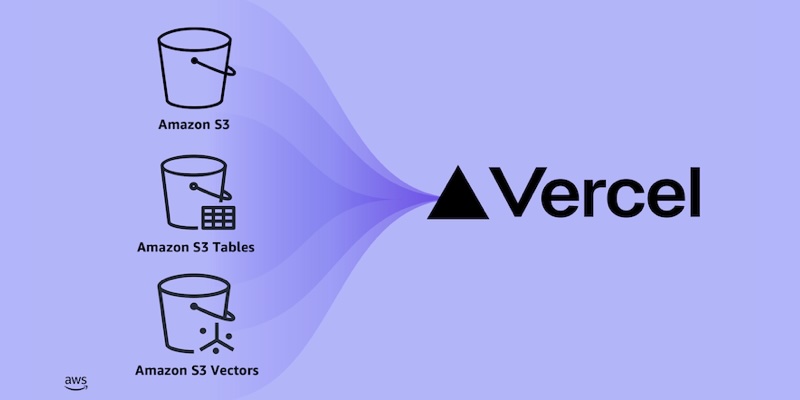
Vercel has entered the chat with always-on workers, enhancing backend capabilities for developers. Coupled with Amazon S3's integration into the Vercel Marketplace, this makes storage provisioning smoother than ever. Developers can now focus on building robust applications without the hassle of complex setups.
Cloudflare is also stepping up with its programmable secure web gateway, offering unparalleled flexibility in network security. These innovations signal a shift towards more adaptable and developer-friendly environments.
Security and AI: A Complicated Relationship

As AI agents gain autonomy, they pose unique security risks that traditional models aren’t equipped to handle. The rise of prompt injection and credential exposure calls for a rethinking of security frameworks. Docker's insights on AI agent risks highlight the need for robust oversight and containment to mitigate potential damage.
On a brighter note, solutions like Harbor’s Docker Sandboxes are emerging to ensure safe evaluations of AI agents. These environments provide the isolation necessary to safely test and deploy AI-driven tools without compromising security.
Agentic AppSec: Software Development Went Agentic. Security Didn’t.
Snyk reveals a worrying trend: AI-driven development introduces more vulnerabilities than ever. As security struggles to keep pace, new tools are needed to address latent risks.
GitLab Secrets Manager: Govern secrets like your code
GitLab launches its Secrets Manager for better credential management. This tool centralizes secrets without adding complexity, enhancing overall security.
AI Agent Security Risks: What Can Go Wrong When Agents Act on Their Own
Docker explores the unique risks posed by autonomous AI agents. From credential exposure to tool misuse, the need for tighter security measures is clear.
- Vercel adds always-on workers to run more of your backendVercel enhances backend capabilities with always-on workers for JavaScript developers. — The New Stack
- OpenAI promised developers six months’ notice. GPT-4o users got three.OpenAI's abrupt shutdown of the GPT-4o API raises concerns over developer trust. — The New Stack
- Meta ships Muse Spark Open, its answer to China’s best open-weight modelsMeta launches Muse Spark Open to compete with leading models in the AI landscape. — The New Stack
- Nvidia squeezed a 74B agent model into 24GB so it can run on your laptopNvidia achieves a remarkable feat by running a massive AI model on consumer laptops. — The New Stack
- Hackers hijacked 1,900 GitHub accounts. Then they went after 30,000 repos.A major security breach targets GitHub accounts, raising alarms about repository safety. — The New Stack
War diese Ausgabe hilfreich?
Ein Klick genügt – er prägt die nächste Ausgabe.