 Cloud & DevOps· · 2 Min.
Kubernetes Goes Mainstream.
Today, cloud computing takes a new spin with Kubernetes updates and AI-driven innovations. Companies are scrambling to enhance security and efficiency while navigating the complexities of modern workloads. It’s a pivotal moment for tech teams pushing boundaries in CI/CD and AI integration.
Kubernetes Goes Mainstream

Kubernetes v1.37 is making waves with advanced workload-aware scheduling. This release introduces crucial APIs for gang scheduling and preemption policies, setting the stage for more sophisticated workload management.
As teams tackle complex distributed workloads, these updates promise native scheduling support that could change how applications perform in production. Now, developers can manage their workloads with more precision and efficiency than ever before.
AI Agents: More Work, Less Efficiency?

OpenAI's chief scientist warns that AI agents might create more complexity rather than streamline processes. Despite the promise of increased efficiency, evidence suggests these agents can lead to unexpected workloads, causing confusion for teams.
This paradox challenges the narrative that AI will simplify our jobs. As organizations rely more on AI, understanding its limitations is critical to ensure seamless integration into existing workflows.
Cloudflare's Key Exchange Revolution

Cloudflare is rolling out Automatic Key Exchange, a game-changer for TLS connections. This new feature drastically reduces connection latency and enhances security with post-quantum secure handshakes.
With a significant drop in handshake failures, this advancement could reshape how secure connections are established across the internet, making it faster and safer for everyone.
GitLab Duo: Flexibility with AI Models
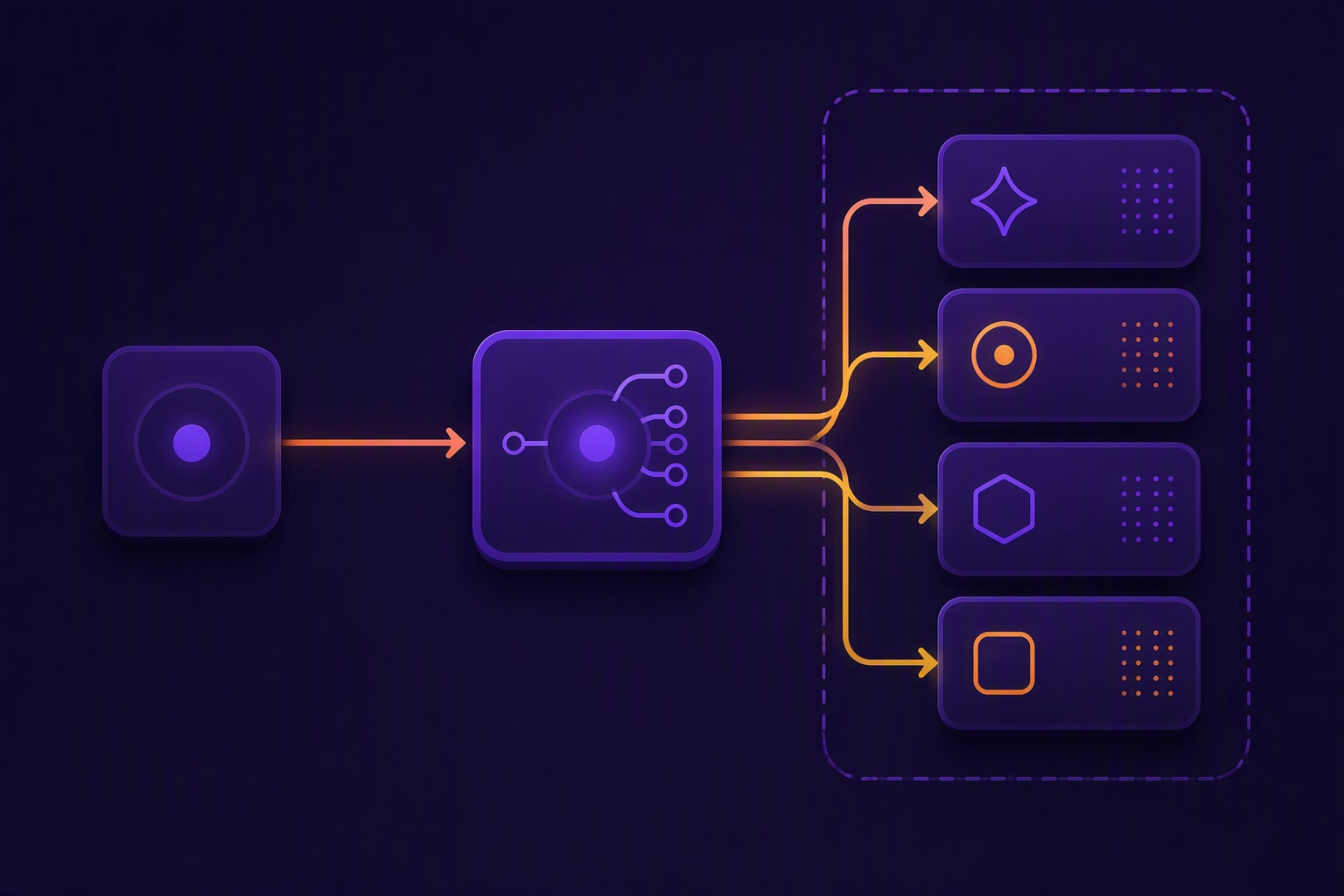
GitLab Duo Self-Hosted is changing the game by allowing teams to bring their own AI models. This flexibility is crucial for organizations with data sovereignty needs, ensuring compliance while leveraging AI capabilities.
With this setup, teams can optimize their AI tools based on specific requirements, making their workflows more efficient without compromising security.
Navigating AI's Cost Challenges

OpenAI's new model may be 2.5x more expensive per token, but developers are finding ways to save money. Despite the higher costs, the efficiency gains from faster processing times are helping teams manage their budgets better.
As organizations adapt to these changes, the focus shifts towards maximizing the value of every token used, encouraging smarter usage of AI resources.
Kubernetes v1.37: Advancing Workload-Aware Scheduling
Kubernetes v1.37 introduces major enhancements for workload scheduling, including new APIs for managing complex workloads. This release aims to improve performance and efficiency across distributed systems.
Cloudflare's Automatic Key Exchange
Cloudflare announces Automatic Key Exchange, reducing handshake failures and improving TLS connection speeds. This innovation aims to enhance security while making connections faster.
- DeepSeek is hiring 150 engineers, and none of them will touch a modelDeepSeek is on a hiring spree, seeking engineers for roles that don't involve direct model interaction. — The New Stack
- AI broke code review. Two experts disagree on what replaces it.Experts debate the implications of AI on the traditional code review process. — The New Stack
- After nine years as HashiCorp CEO, Dave McJannet now wants to “unblock” enterprise AI agentsDave McJannet shifts focus to improving enterprise AI agent efficiency post-HashiCorp tenure. — The New Stack
- Handling vulnerability reports: Recipe cardA practical guide for small projects on managing vulnerability reports effectively. — CNCF Blog
- See you at Elastic{ON} 2026Elastic{ON} 2026 kicks off with events across multiple cities, focusing on data and AI. — Elastic Blog
- AWS Weekly Roundup: Claude Fable 5.1 on AWSThe latest AWS roundup features new AI capabilities and updates on Amazon Linux. — AWS Blog
War diese Ausgabe hilfreich?
Ein Klick genügt – er prägt die nächste Ausgabe.