 KI· · 2 Min.
AI Security: The New Frontier.
Today, AI is evolving faster than ever, tackling everything from programming nuances to security in AI systems. With the rise of self-improving agents and innovative frameworks, the future looks bright yet complex. Let's dive into the latest trends and tech shaping the AI landscape.
AI Security: The New Frontier
OpenAI is stepping up its game after the recent TanStack npm supply chain attack. They're implementing protective measures and urging macOS users to update apps by mid-2026. This incident highlights the ongoing battle against evolving software threats.
Meanwhile, AWS and Cisco are tackling security in AI agents. Their partnership aims to scale security measures for AI deployments, addressing gaps that could expose sensitive data. As AI agents become more autonomous, ensuring their safety is paramount.
Revolutionizing AI Development

The Next AI Bottleneck Isn’t the Model: It’s the Inference System. Many developers mistakenly blame models for issues, when the real culprits are often the inference systems. This insight could save time and resources.
In contrast, new frameworks like Amazon Lex's Assisted NLU are enhancing bot accuracy by understanding natural language better. These advancements promise to reduce misunderstandings and improve user interactions significantly.
AI Agents: The Future of Work
AI agents are not just a trend; they're becoming essential in data science. They handle tedious tasks, allowing analysts to focus on strategy. This shift will transform workflows significantly in 2026.
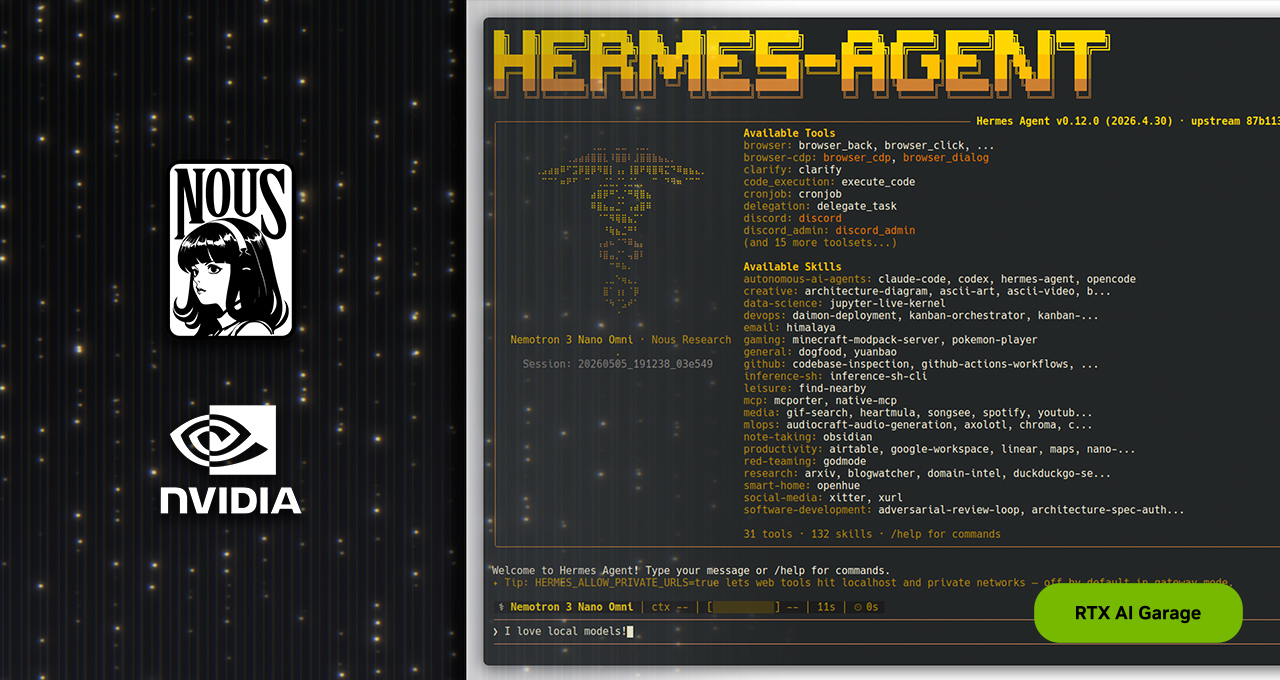
Moreover, the Hermes Agent is leading the charge in self-improving AI capabilities. Built for reliability and designed to learn continuously, it’s setting a new standard for local AI agents.
Innovative Tools and Techniques
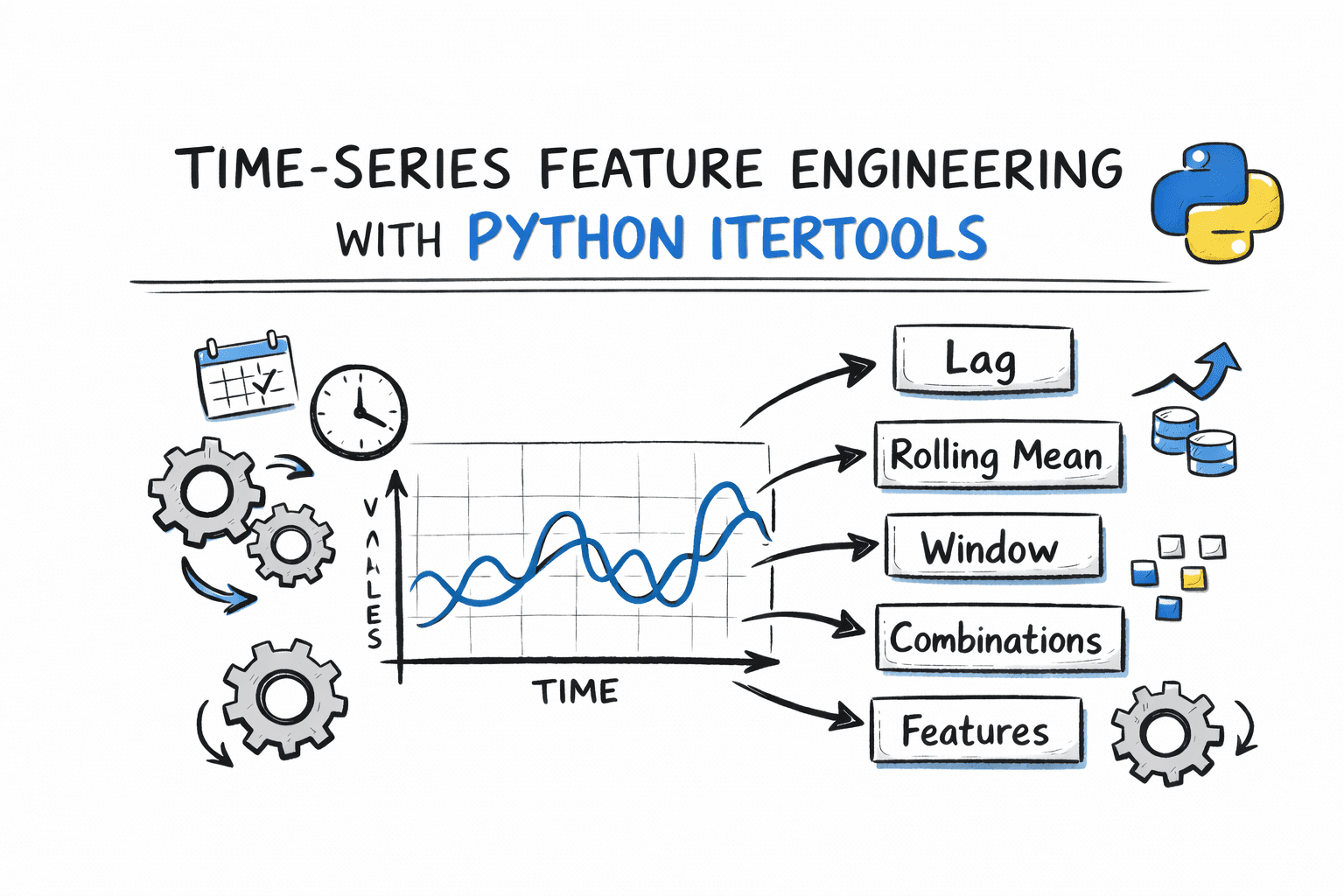
Time-series feature engineering with Python’s itertools is gaining traction. This approach helps build efficient features crucial for analyzing sequential data.
On the coding front, tools like Claude Code and CodeSpeak are changing how developers write and manage code. They offer robust solutions that streamline the coding process without sacrificing quality.
Building an Evaluation Harness for Production AI Agents: A 12-Metric Framework
A new framework developed from over 100 deployments aims to measure AI agent performance accurately. It includes metrics for retrieval accuracy and hallucination rates, ensuring compliance and effectiveness.
The Counterintuitive Networking Decisions Behind OpenAI’s 131,000-GPU Training Fabric
OpenAI’s radical networking strategy for its GPU training fabric could revolutionize high-performance data centers. It challenges long-held beliefs about routing protocols and efficiency.
- Helping ChatGPT better recognize context in sensitive conversationsChatGPT is getting updates to better handle sensitive conversations, ensuring safer interactions. — OpenAI
- How to Write Robust Code with Claude CodeTips on ensuring robust code when using AI coding agents. — Towards Data Science
- Unlocking asynchronicity in continuous batchingNew techniques for improving GPU utilization in AI inference. — Hugging Face
- Granite Embedding Multilingual R2: Open Apache 2.0 Multilingual EmbeddingsNew multilingual models promise improved retrieval quality for under 100M parameters. — Hugging Face
- Control where your AI agents can browse with Chrome enterprise policiesAWS introduces features to enhance control over AI agents' browsing capabilities. — AWS
War diese Ausgabe hilfreich?
Ein Klick genügt – er prägt die nächste Ausgabe.