 KI· · 3 Min.
Rethinking Intelligence: The AGI Debate Heats Up.
This week in AI, we’re witnessing a fascinating convergence of theoretical advancements and practical tools, as experts debate the future of artificial general intelligence while also pushing boundaries in autonomous machine learning experimentation. With Yann LeCun's provocative redefinition of intelligence, and Andrej Karpathy's open-source tool for AI-run experiments, the landscape is evolving rapidly. Meanwhile, the integration of cognitive frameworks and new monitoring techniques hints at a future where AI not only assists but also innovates independently.
Rethinking Intelligence: The AGI Debate Heats Up
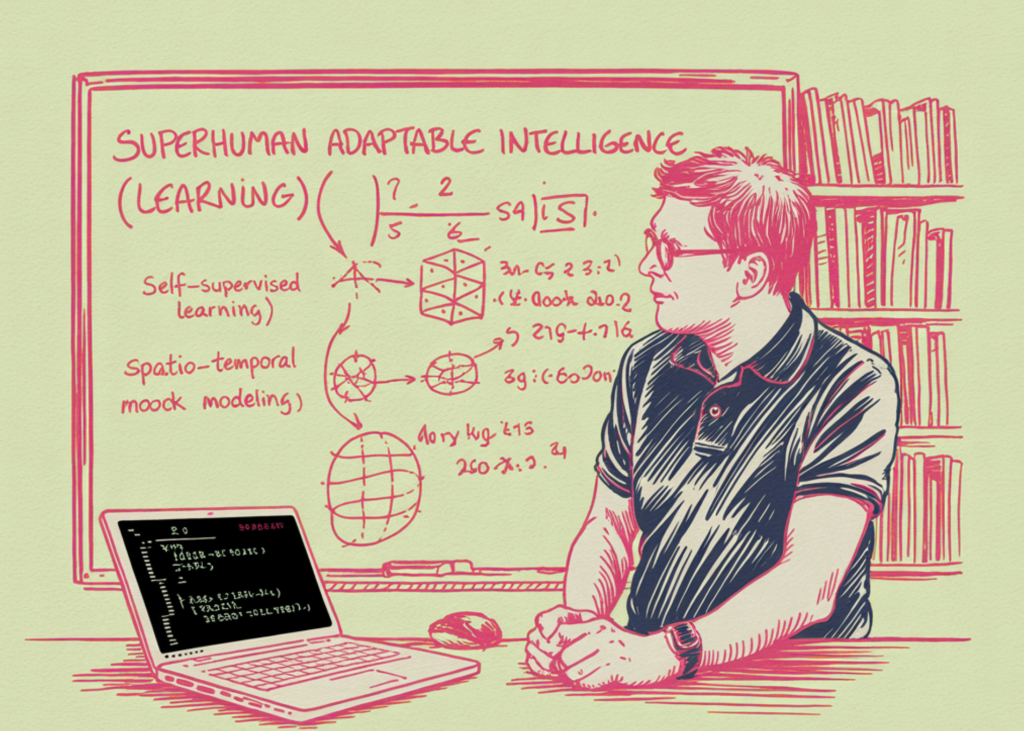
Yann LeCun’s recent paper takes a sharp jab at the prevailing definitions of Artificial General Intelligence (AGI), suggesting that the term has become muddied and misused. He argues for a shift toward what he calls Superhuman Adaptable Intelligence (SAI), emphasizing that the human-centric view of intelligence may not be the best model for developing future AI systems. This critical perspective raises questions about not just the metrics we use to evaluate AI, but also the fundamental goals of AI research itself.
LeCun’s argument is particularly timely as the industry increasingly grapples with the implications of deploying AI systems that lack a clear operational definition of intelligence. If AGI is indeed a moving target, what does that mean for the direction of AI development? This could lead to a renewed focus on adaptability and specialization rather than trying to replicate human cognitive patterns, ultimately steering research toward more practical and effective outcomes.
AI Agents: From Theory to Practice
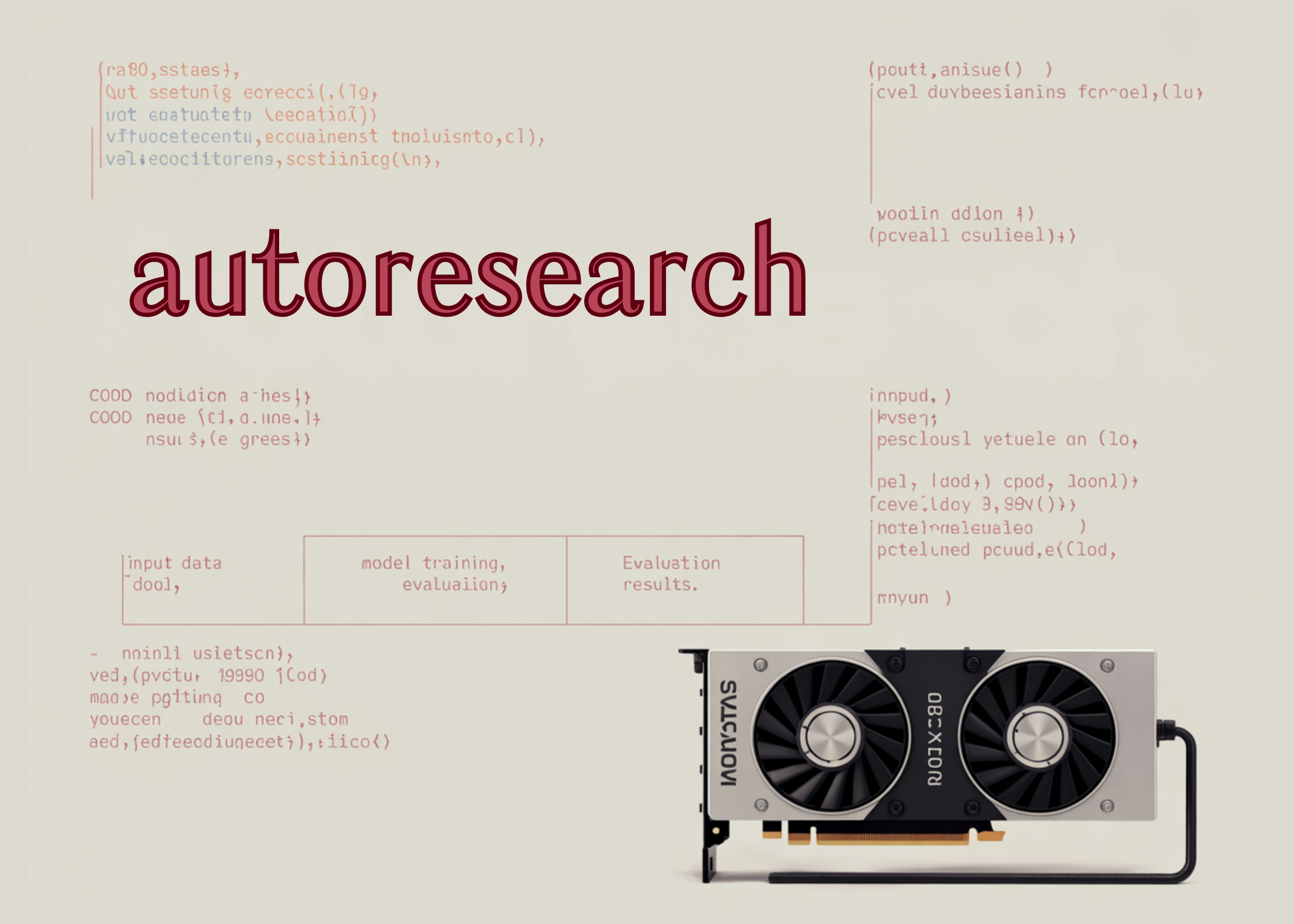
Andrej Karpathy's introduction of 'autoresearch' marks a significant leap in enabling AI agents to autonomously conduct machine learning experiments. This minimalist Python tool is designed for efficiency, allowing researchers to delegate routine tasks while retaining control over high-level directives. With a focus on a continuous feedback loop, this innovative approach not only democratizes access to machine learning but also reflects the growing trend towards agentic AI — systems that can operate independently.
Meanwhile, the development of cognitive frameworks for runtime agents enhances the potential for AI to exhibit sophisticated behaviors, including planning and validation. As these tools become more accessible, the implications for industries reliant on machine learning are profound. We may soon see AI agents not just assisting, but actively transforming research and development processes across various sectors, heralding a new era of productivity and creativity.
Navigating the Challenges of Feature Overload
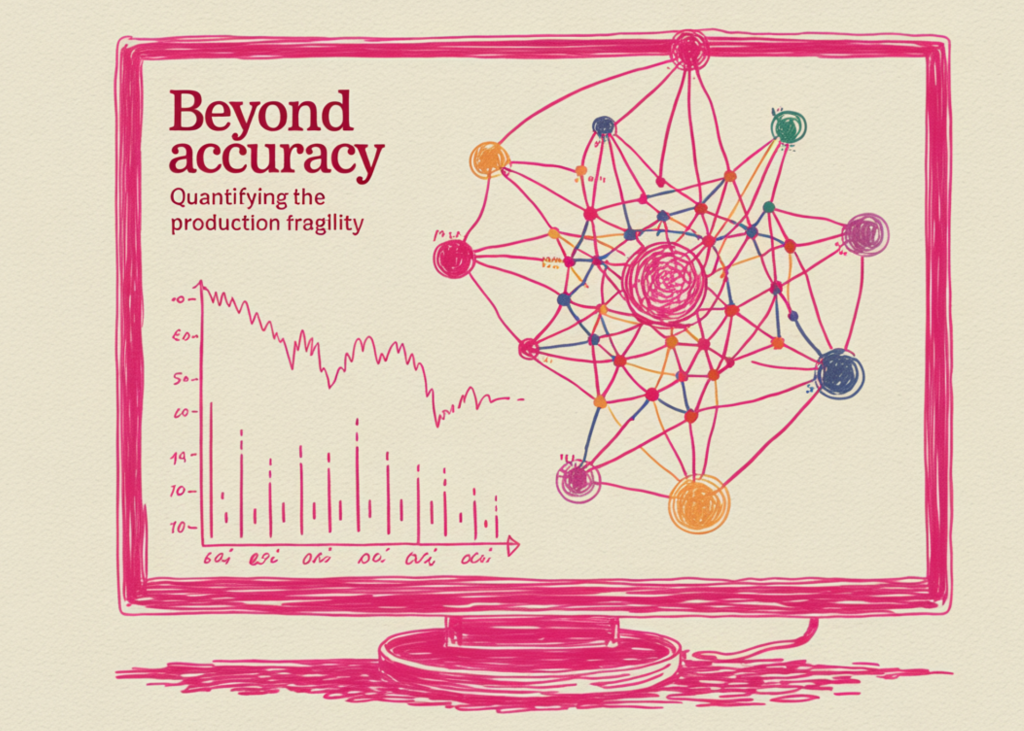
In the pursuit of improved model performance, many data scientists instinctively believe that adding features is the way to go. However, a new critique highlights the fragility that excessive, redundant, and low-signal features can introduce into regression models. The article delves into how these additional features can distort model behavior, leading to unstable predictions and ultimately compromising the reliability of AI systems in production environments.
This insight serves as a cautionary tale for practitioners: more is not always better. As AI applications become increasingly mission-critical, understanding the underlying data structure and feature interactions is essential. This shift towards a more nuanced view of feature engineering could enhance model robustness, ensuring that AI systems not only perform well in theory but also in real-world applications.
The new GPT-5.4 supports an impressive context window of 1 million tokens, significantly enhancing its capabilities in handling complex tasks.
QuelleKarpathy's autoresearch tool is a compact yet powerful framework that allows AI agents to run their own ML experiments, exemplifying efficiency in design.
QuelleThe autoresearch tool conducts fixed-length training runs of 5 minutes, allowing for rapid experimentation and iteration.
QuelleYann LeCun’s New AI Paper Argues AGI Is Misdefined
Yann LeCun's critique of AGI challenges the current understanding and proposes a shift to Superhuman Adaptable Intelligence. By deconstructing the term 'general intelligence', LeCun argues for a focus on adaptability over rigid definitions, which may lead to more practical AI designs. This discussion is pivotal as it prompts researchers to reconsider their foundational goals and how they measure success in AI development.
Andrej Karpathy Open-Sources ‘Autoresearch’
Andrej Karpathy's autoresearch tool empowers AI agents to autonomously conduct ML experiments, streamlining the research process. By optimizing for single GPU use, this tool allows for rapid iterations and continuous experimentation, showcasing the potential for AI to take on more complex roles in scientific research and development. This development signals a shift towards more autonomous and efficient AI-driven workflows.
- Building Next-Gen Agentic AI: A Complete FrameworkThis article details the development of a cognitive blueprint framework for AI agents, allowing them to plan, execute, and improve their outputs systematically. — MarkTechPost
- How to Build Progress Monitoring Using Advanced tqdmExplore how to integrate advanced tqdm into Python workflows to create effective progress monitoring systems for various applications. — MarkTechPost
- LatentVLA: Latent Reasoning Models for Autonomous DrivingThis article introduces LatentVLA, a new approach to reasoning in autonomous driving that bypasses natural language processing altogether. — Towards Data Science
- Beyond Accuracy: Quantifying Production FragilityA critical look at how adding features to regression models can lead to instability, urging data scientists to rethink their strategies. — MarkTechPost
- Quoting Joseph WeizenbaumA reflection on the insights of Joseph Weizenbaum, creator of ELIZA, and the enduring relevance of his critiques on AI. — Simon Willison
War diese Ausgabe hilfreich?
Ein Klick genügt – er prägt die nächste Ausgabe.