 Emerging Tech· · 2 min
AI and Health: A New Frontier.
Today, we're diving into groundbreaking research and innovations that could reshape health, technology, and our understanding of the universe. From AI enhancing diagnostics to the discovery of ancient human behaviors, it's a day packed with fascinating insights. These stories highlight the ever-evolving landscape of science and tech.
AI and Health: A New Frontier

A team at UCLA has developed an AI screening system that boosts Lyme disease test sensitivity to 95.7%. This could transform how we diagnose tick-borne illnesses, making healthcare more reliable and accessible.
In related news, a tomato-soy juice has shown promise in reducing inflammation in obese adults. This functional food could be a simple way to tackle chronic inflammation, a key player in various diseases.
Exploring Biological Mysteries

Scientists have discovered a nonrepeating biological clock in C. elegans that syncs gene expression with developmental stages. This master clock could unveil new secrets about growth and aging.
A hidden protein switch in Chlamydomonas reinhardtii reveals how plants adapt to varying light conditions, offering insights into photosynthesis efficiency.
Climate and Space Developments

A new study highlights the 'cold blob' in the Atlantic, caused by a weakening ocean current system. This phenomenon may signal a critical tipping point that could impact global climate patterns.
Meanwhile, NASA is assessing the potential risks of meteor storms on future moon missions. With the Artemis program in sight, understanding these threats is crucial for safe lunar exploration.
Innovations in Technology
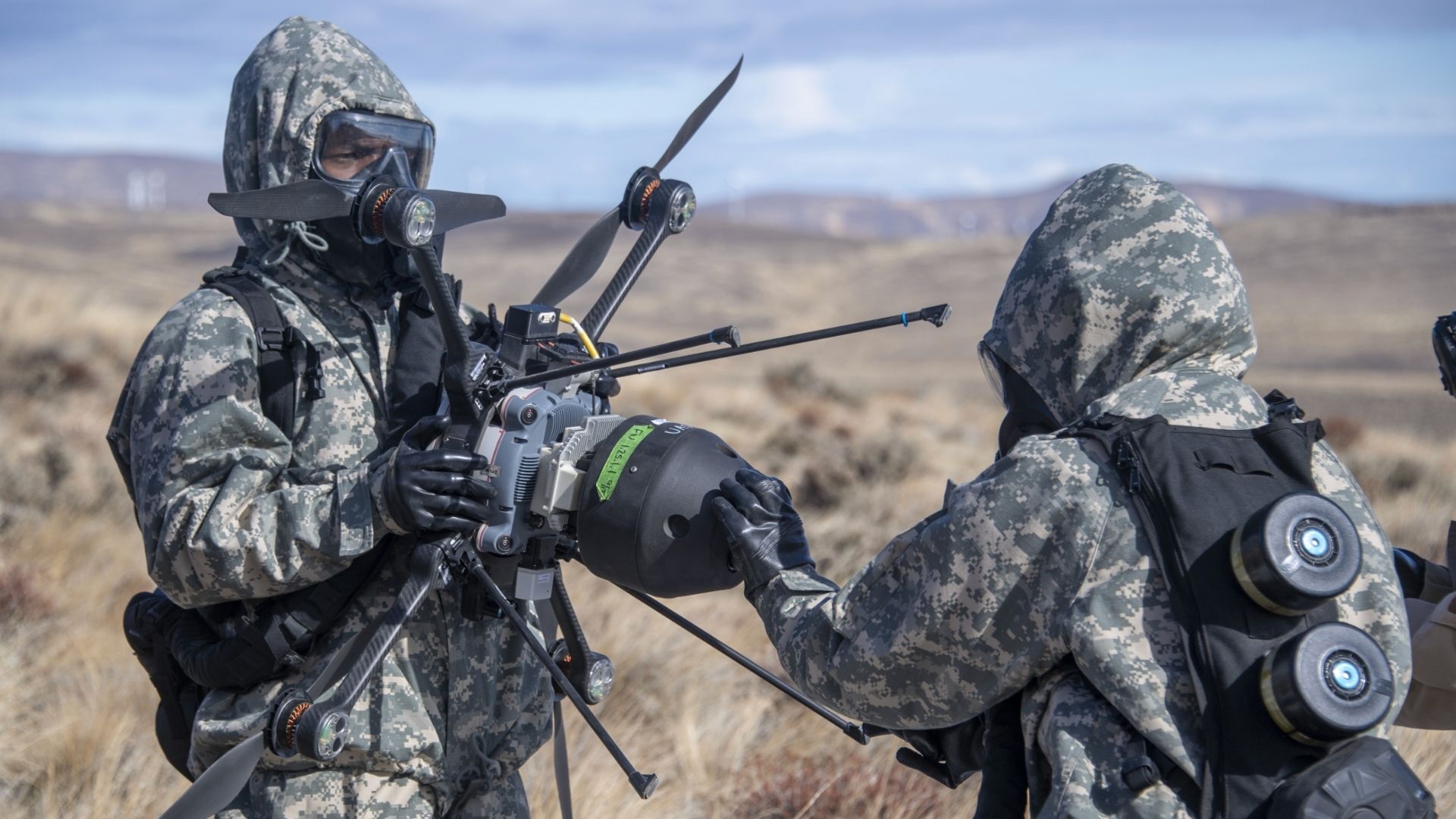
The US Army has ordered $11.2 million in drone kits for detecting chemical and biological threats on the battlefield. This tech could enhance safety and effectiveness in military operations.
Flying cars are edging closer to reality as companies turn to solid-state batteries for their commercial launch. This could redefine urban mobility and transport.
From Ancient History to Modern Tech

Recent findings in South Africa's Wonderwerk Cave suggest early humans may have used fire 1.79 million years ago, pushing back our understanding of human evolution.
In a quirky twist, a developer has created a raycast FPS game using COBOL, showcasing the language's surprising versatility in modern programming.
AI Screening Enhances Lyme Disease Diagnosis
Researchers from UCLA have developed an AI that boosts Lyme test sensitivity to 95.7%. This advancement could drastically improve diagnostic accuracy.
Discovery of Nonrepeating Biological Clock
A new biological clock found in C. elegans coordinates growth stages without repetition, offering insights into developmental biology.
The Atlantic Cold Blob and Its Implications
A study reveals that a cooling 'cold blob' in the Atlantic Ocean may indicate a tipping point in climate change, affecting weather patterns.
- Hidden Protein Switch Controls PhotosynthesisA newly discovered protein mechanism helps plants adjust photosynthesis based on light conditions. — Phys.org
- Machine Learning Uncovers New Earthquake Data in AlaskaAI reveals 1,750 previously undetected earthquakes along Alaska's microplate edge. — Phys.org
- Study Shows Disgust Affects Waste DisposalResearch indicates that feelings of disgust may lead to improper waste disposal behaviors. — Phys.org
- Gold Nanoparticles Create Vibrant ColorsNew research shows gold nanoparticles can produce vibrant colors across the entire visible spectrum. — Phys.org
- Quantum Circuits Boost AI MemoryQuantum circuits could help AI overcome memory limitations with fewer parameters. — Phys.org
Was this issue useful?
One click is enough — it shapes the next one.