 Emerging Tech· · 2 min
Climate Change and Its Impact.
Today's tech and science highlights reveal how humanity is grappling with climate change's effects, innovative breakthroughs in robotics, and the fascinating undercurrents of ancient life. As we navigate these challenges and discoveries, it's clear: understanding our past and future is more crucial than ever.
Climate Change and Its Impact

A new study shows that Victoria's alpine plants are under siege from climate change. The specific temperature cues these plants need for their seeds to germinate are increasingly at risk. This highlights a broader theme: our ecosystems are feeling the heat, literally.
Similarly, South Asia faces a weaker monsoon this year, which could lead to intense downpours and flooding. Experts warn that these extreme weather events pose serious risks to communities already grappling with the effects of climate change. It's a stark reminder that the climate crisis isn't just about rising temperatures—it's about unpredictable weather patterns that threaten lives and livelihoods.
Robotics Innovations on the Horizon
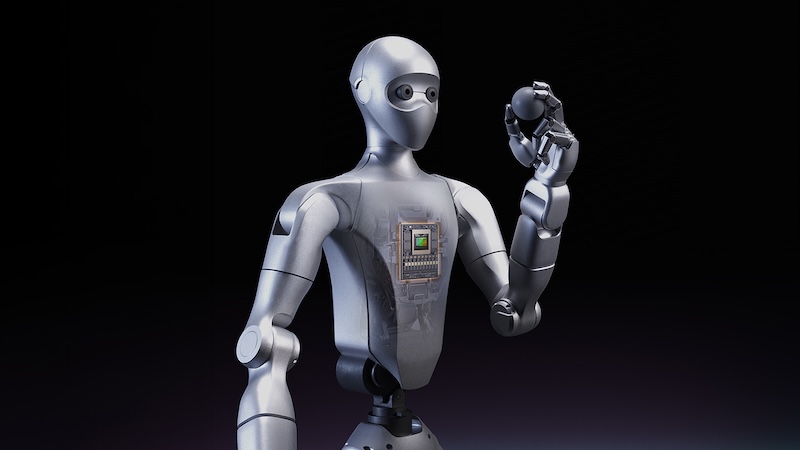
Nvidia just unveiled an open humanoid robot platform designed to accelerate robotics research. The Isaac GR00T platform combines cutting-edge hardware and software, making it easier for researchers to develop advanced robotics without getting bogged down by proprietary systems.
In logistics, DSV is partnering with Exotec to modernize its supply chain operations with autonomous Skypod robots. This collaboration highlights how robotics is transforming industries, allowing companies to enhance efficiency and scalability in their operations.
Uncovering the Past
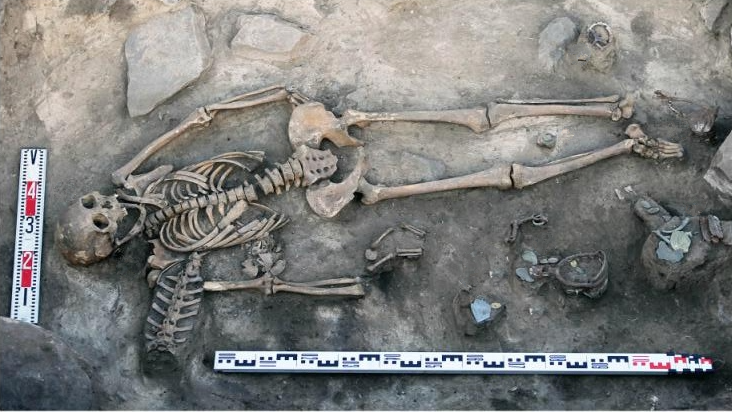
Archaeologists have made a remarkable discovery in Siberia: a 10th-century burial site containing the complete skin of a horse alongside a woman and her newborn. This rare find sheds light on the cultural practices of ancient societies and their connections across Asia.
In another fascinating revelation, researchers found that ancient asteroid impacts may have created environments conducive to early life on Earth. These insights remind us how interconnected our planet's history and the cosmos truly are.
Emerging Technologies
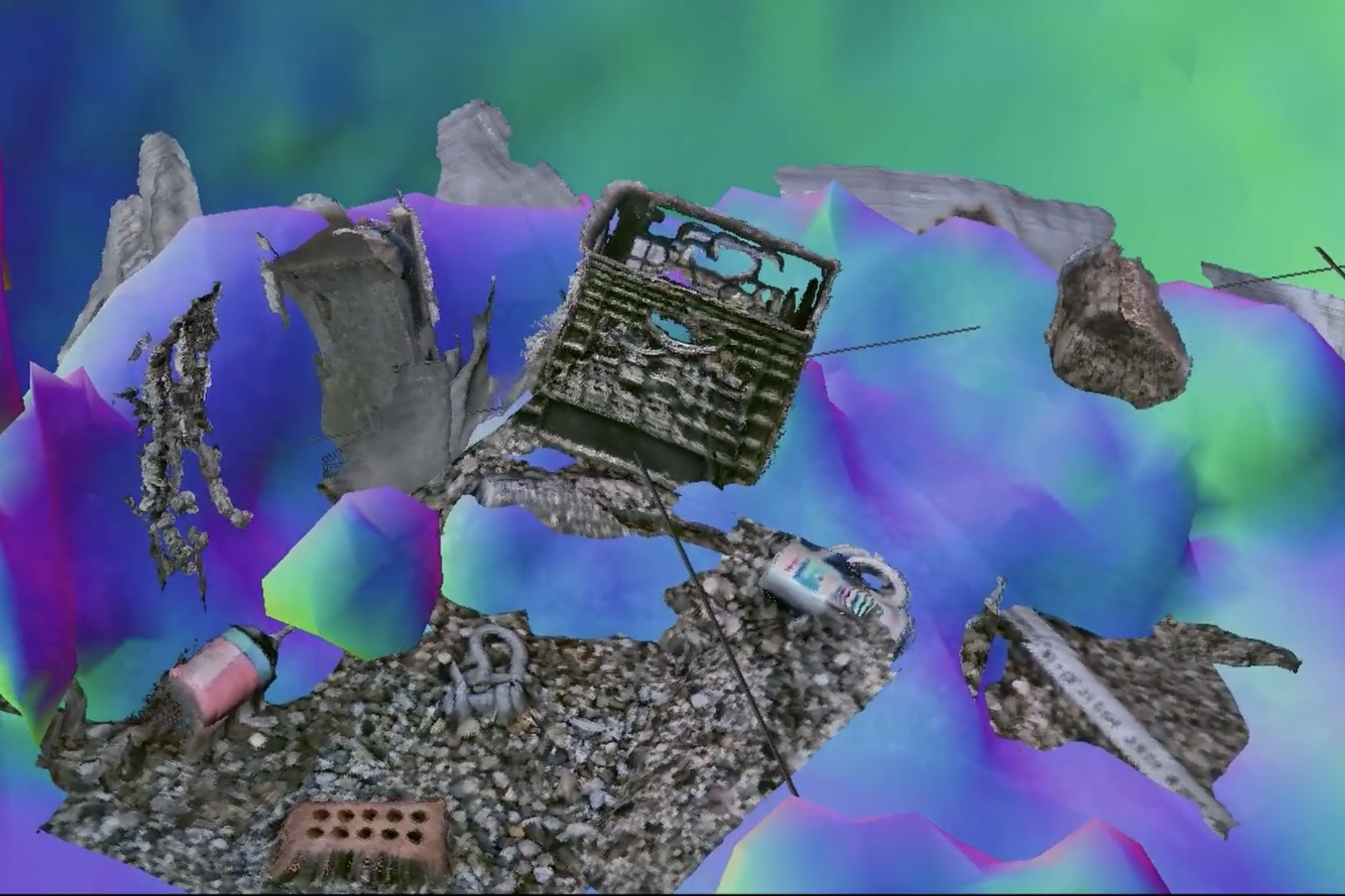
MIT has developed a new imaging system that can see through murky waters, combining sonar and visual data for real-time 3D mapping. This tech could revolutionize underwater exploration and environmental monitoring.
Meanwhile, Elon Musk's vision for 1 million AI satellites in space is taking shape. SpaceX is gearing up to launch these satellites, aiming to integrate AI capabilities into global data collection efforts. The implications for both technology and society are enormous as we push the boundaries of what's possible.
NASA defends all-male Artemis 3 crew amidst criticism
NASA faced backlash over its all-male Artemis 3 crew selection. Administrator Jared Isaacman insisted the choice was based on mission needs, not political influences.
Nvidia's open humanoid robot platform aims to drive innovation
Nvidia launched a humanoid robot platform to streamline robotics research and development. The platform combines advanced hardware with open software to solve integration challenges.
- New imaging system sees through murky watersMIT's latest imaging tech combines sonar and visual data for real-time 3D maps in murky conditions. — MIT News
- Taiwan’s HIMARS live-fire drills signal new deterrent to China’s plansTaiwan's military drills showcase new strategies against potential threats from China. — Interesting Engineering
- Physical punishment of children is harmful, UK study findsA UK study links physical punishment to behavioral issues and calls for a ban. — Phys.org
- How Automated Container Gantry Cranes Are Reshaping Port OperationsAutomation is transforming port logistics, with new cranes enhancing efficiency and reducing emissions. — Robotics and Automation News
- Agile Robots showcases new AI-driven technologies at Robot Technology JapanAgile Robots highlights advancements in physical AI and humanoid technologies at a major tech event. — Robotics and Automation News
Was this issue useful?
One click is enough — it shapes the next one.