 Emerging Tech· · 2 min
Satellite Trails and Stellar Challenges.
Today's tech headlines are a rollercoaster of innovation and environmental challenges. From space telescopes struggling with satellite trails to groundbreaking cancer research, there's a lot happening. Don't miss the celestial event tonight with Jupiter and Venus in conjunction!
Satellite Trails and Stellar Challenges

Space telescopes are getting overwhelmed by satellite trails. A staggering 73.3% of images from NASA's SPHEREx telescope were tainted by artificial light from these orbiting devices. As satellite constellations grow, the clarity of our night skies is at risk.
The implications are huge for astronomical research. This could hinder our ability to observe distant galaxies and celestial events, making it harder to expand our understanding of the universe.
Innovative Solutions to Invasive Pests

In a surprising twist, dogs are outperforming expert humans in spotting invasive pests in vineyards. A dog named Xephyr, for instance, found hidden egg masses that even trained professionals missed. This shows the potential of using canines in agricultural pest control.
The study highlights the unique capabilities of dogs when it comes to scent detection. As they continue to prove their worth, we might see more furry partners in fields across the country.
The Evolution of Life: Asexual vs. Sexual Reproduction

A new fossil study reveals that a lack of sexual reproduction stunted life's diversity on Earth for millions of years. Researchers at Cambridge found that asexual reproduction slowed evolution until competition spurred the development of sexual methods.
This finding could reshape our understanding of evolutionary biology. It raises questions about how current reproductive strategies may influence future biodiversity.
Natural Disasters and Human Resilience

New Zealand is facing severe weather challenges as 11-meter waves prompted evacuations. Wellington's mayor declared a state of emergency, urging residents to seek higher ground.
This event underscores the increasing frequency of extreme weather. As climate change continues to escalate, cities need to prepare for such natural disasters more effectively.
Breakthroughs in Cancer Treatment
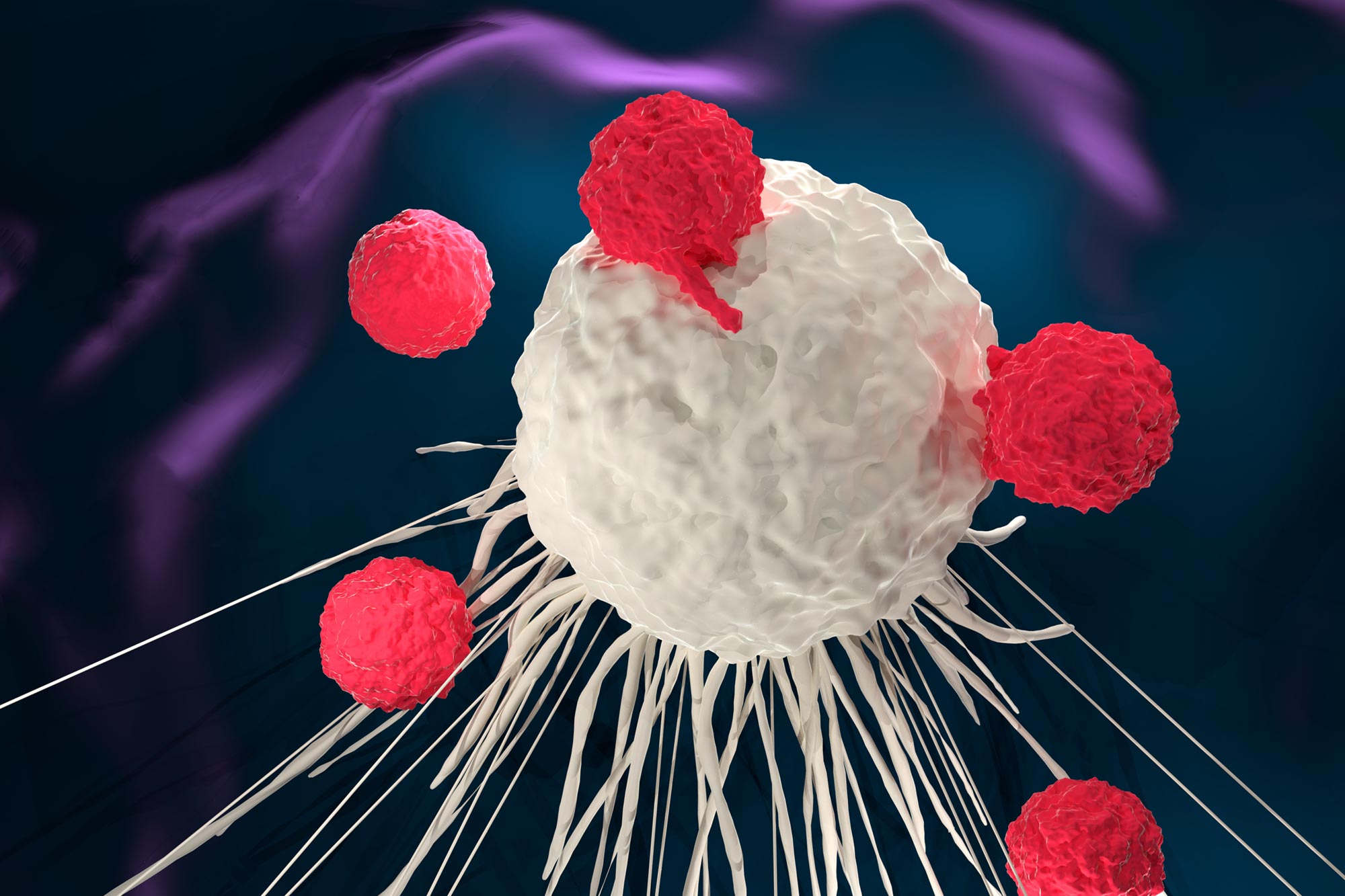
UCLA researchers have identified a critical vulnerability in some of the world's deadliest cancers, pointing to a potential treatment strategy. The discovery targets the E2F3 protein in RB-deficient cancers, which could lead to new therapies.
This breakthrough is a significant step in cancer research, highlighting the importance of understanding genetic vulnerabilities in tumor cells. It opens doors for targeted treatments that could improve patient outcomes.
The Future of VFFS Technology in High-Speed Packaging Operations
VFFS technology is evolving to meet the demands of faster production timelines. This automation is becoming essential for various industries, shaping the future of packaging.
RLWRLD and Nvidia launch DexBench to standardize humanoid robot dexterity
A new benchmark for humanoid robot dexterity is on the horizon, thanks to a collaboration between RLWRLD and Nvidia. This initiative is set to revolutionize how we measure robotic performance.
- AI technology must serve human cognitive developmentA call for AI to enhance human learning rather than dictate it. — Nature
- New 3D microscope technology captures high-resolution tissue imagesA new design for 3D microscopes promises high-quality imaging at lower costs. — Phys.org
- How ice forms is a mystery — now scientists are cracking the caseResearchers are using X-ray technology to unravel the secrets of ice formation. — Nature
- Daily briefing: Human embryo genomes precisely alteredScientists have altered human embryos using a precise genome-editing technique. — Nature
- 3D-printed devices could streamline drug-delivery microparticlesNew 3D-printed emitters could revolutionize the production of drug delivery particles. — MIT News
Was this issue useful?
One click is enough — it shapes the next one.