 Tech· · 3 min
Google's AI Ambitions Take Shape.
The tech landscape is buzzing this week with significant developments that underscore the ongoing competition in AI, smartphones, and the evolving landscape of consumer electronics. Google’s acquisition of Intrinsic signals a growing commitment to physical AI, while Samsung's Galaxy S26 series showcases how AI is becoming integral to mobile technology. Meanwhile, the struggle for affordable tech continues as rising memory costs threaten budget devices. From innovative wearables to regulatory shifts impacting online safety, there's much to unpack in this rapidly changing environment.
Google's AI Ambitions Take Shape

In a bold move, Google has absorbed Intrinsic, a robotics project previously under Alphabet’s Other Bets umbrella, into its core operations. This decision not only reflects Google's ambition to enhance its physical AI capabilities but also indicates a shift towards integrating experimental technologies into their main business framework. By leveraging Intrinsic's software to simplify robot programming, Google aims to create a more cohesive ecosystem that merges AI with physical applications.
As Google collaborates with its AI powerhouse, DeepMind, the implications of this integration could be far-reaching. The potential for robotics to interact seamlessly with AI-driven tools like Google's Gemini models may open new avenues for automation across various industries. This move not only strengthens Google's position in the tech landscape but also raises the stakes for competitors in the burgeoning field of physical AI.
Samsung's Galaxy S26 Series: AI at the Forefront

The launch of Samsung's Galaxy S26 series has placed AI features front and center, showcasing the tech giant's commitment to integrating artificial intelligence into everyday devices. With enhancements like AI-assisted photography and call screening, the S26 lineup emphasizes user convenience and advanced functionality. However, the incremental improvements over previous models have led some to question whether these updates justify the price increases.
Additionally, the introduction of new features such as 'Perplexity' AI complicates the landscape for competitors. Samsung's strategic partnerships with AI firms indicate a broader trend where smartphone manufacturers are racing to embed AI capabilities into their devices. As consumers increasingly seek smarter, more interactive gadgets, the stakes are high for companies to innovate or risk falling behind.
The Memory Crisis: A Threat to Affordable Tech
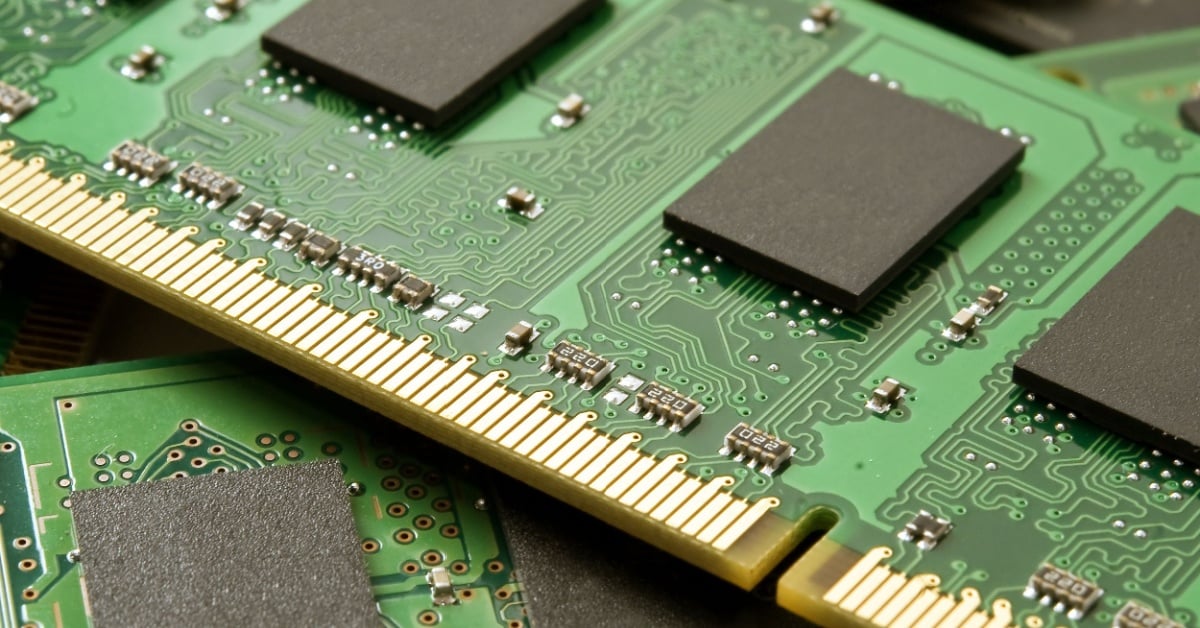
Rising memory prices are causing a seismic shift in the tech industry, prompting analysts to warn that budget PCs and smartphones may soon become relics of the past. With DRAM and NAND flash prices surging, manufacturers are likely to discontinue entry-level models, further widening the gap between high-end and budget devices. Gartner's projections suggest a significant decline in PC and smartphone shipments as companies struggle to balance affordability with escalating production costs.
This trend poses a serious challenge for consumers, particularly those in emerging markets where affordability is paramount. As manufacturers grapple with these issues, the risk of creating a tech divide looms larger, leaving budget-conscious consumers with fewer options and potentially stalling the adoption of new technologies.
AMD's investment in Nutanix aims to develop an AI stack for its GPUs, reflecting the increasing importance of AI in computing.
SourceGartner predicts a further 130% rise in DRAM and NAND prices by the end of 2026, jeopardizing the affordability of entry-level devices.
SourceThe British Ministry of Justice's investment in AI technology aims to modernize court operations and improve efficiency.
SourceDonut Lab's Battery Breakthrough: Too Good to Be True?
Donut Lab's claim to have developed a new solid-state battery technology is stirring excitement across the EV industry. Touted for its rapid charging, high energy density, and eco-friendly materials, the technology could revolutionize electric vehicles. However, skepticism remains about its readiness for large-scale production, with many experts urging caution until the company provides solid evidence of its claims.
The FTC's New Stance on Children's Online Privacy
The FTC's recent decision to soften the enforcement of regulations aimed at protecting children's online privacy raises eyebrows. By promoting age verification technologies while allowing companies leeway in data collection, the move could lead to a surge in questionable practices. The implications for children's safety online are significant, as this shift may embolden companies to prioritize data collection over genuine protections.
- How the new Galaxy S26 phones compareSamsung's Galaxy S26 lineup features new AI tools and performance upgrades, yet maintains a familiar design. — The Verge
- Gaming accessory maker and publisher Nacon files for insolvencyNacon has filed for insolvency as it struggles with financial issues following a failed loan repayment. — Engadget
- Severe Heart Attacks Are Becoming Deadlier for Younger Americans, Study FindsA new study reveals an alarming rise in heart attack mortality rates among younger Americans, indicating a shift in health risks. — Gizmodo
- America was winning the race to find Martian life. Then China jumped in.China's increasing involvement in Mars exploration presents new challenges for American missions aimed at discovering extraterrestrial life. — MIT Technology Review
- This company claims a battery breakthrough. Now they need to prove it.Donut Lab's announcement of a potential solid-state battery could transform the EV landscape, but skepticism remains about its viability. — MIT Technology Review
Was this issue useful?
One click is enough — it shapes the next one.