 Open Source· · 2 min
Open Source Innovation Shines in Asia.
Today’s tech buzz centers around innovation in open-source tools and AI advancements. From exciting awards in Korea and Japan to groundbreaking projects like Hermes and ESP32-P4, the landscape is buzzing with creativity and efficiency. Plus, there are fresh updates from Visual Studio Code and JetBrains that cater to developers looking to enhance their workflows.
Open Source Innovation Shines in Asia

The Red Hat Innovation Awards 2026 have highlighted major advancements in Korea and Japan. Companies like BC Card and KEPCO KDN showcased how open-source technologies can drastically improve efficiency and cut costs. Meanwhile, in Japan, JAL Digital and SoftBank are pushing the envelope in IT systems and AI integration across their operations.
Voice Assistants Get a DIY Upgrade
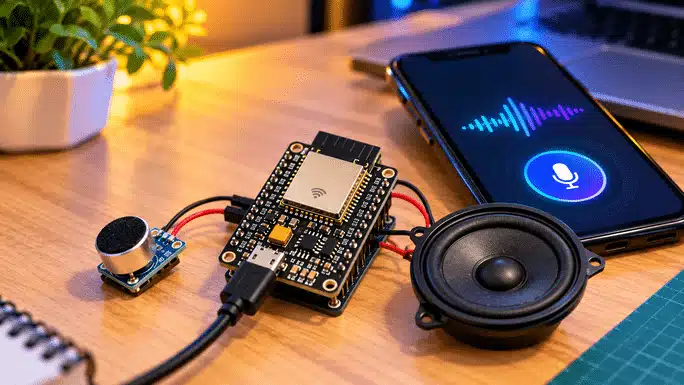
The open-source Hermes project turns the ESP32 board into a versatile voice assistant. This setup allows for voice-controlled smart home automation and web searches, all for a fraction of the cost. With detailed instructions and open-source code available, makers can easily replicate and customize this tech.
Visual Studio Code Releases: What’s New
The latest updates for Visual Studio Code include exciting features like integrated browser support for remote applications and improved agent management. The focus on enhancing developer experience continues with bulk worktree cleanup progress and new accessibility features. Version 1.145 is now live, with more to come.
AI Energy Consumption Could Drop by 50% in Michigan Study
Researchers at the University of Michigan aim to cut AI energy consumption by up to 50%. With a $1.83 million DARPA grant, the focus is on optimizing existing AI models rather than just building larger systems. This project could shape the future of energy use in AI technologies.
How Open-Source AI Is Disrupting 3D Product Design Costs
Hi3D is revolutionizing 3D modeling with its open-source V1.0, promising easier and faster model creation. The tool's extensive dataset aims to enhance detail and usability in 3D printing. This could significantly lower costs for designers and manufacturers alike.
- ESP32-P4 Runs Speech Recognition Without InternetAn open-source project enables offline speech recognition using the ESP32-P4, making it efficient for smart home controls. — Open Source For You
- Blazor Welcomes Open-Source Contributions from SyncfusionSyncfusion has released a free open-source toolkit for Blazor, enhancing its component offerings. — Microsoft
- From GDScript to GDExtensions: One IDE for Your Godot CodeJetBrains Rider now supports GDScript and C# for Godot, making it easier for developers to manage their projects. — JetBrains
- Junie Local became 70% faster on Mac M5Junie Local has significantly improved performance on Mac M5, making coding tasks faster and more efficient. — JetBrains
- Getting Started with Air in JetBrains IDEs – Part 1A new plugin in JetBrains IDEs helps manage coding agents efficiently within the developer's workspace. — JetBrains
Was this issue useful?
One click is enough — it shapes the next one.